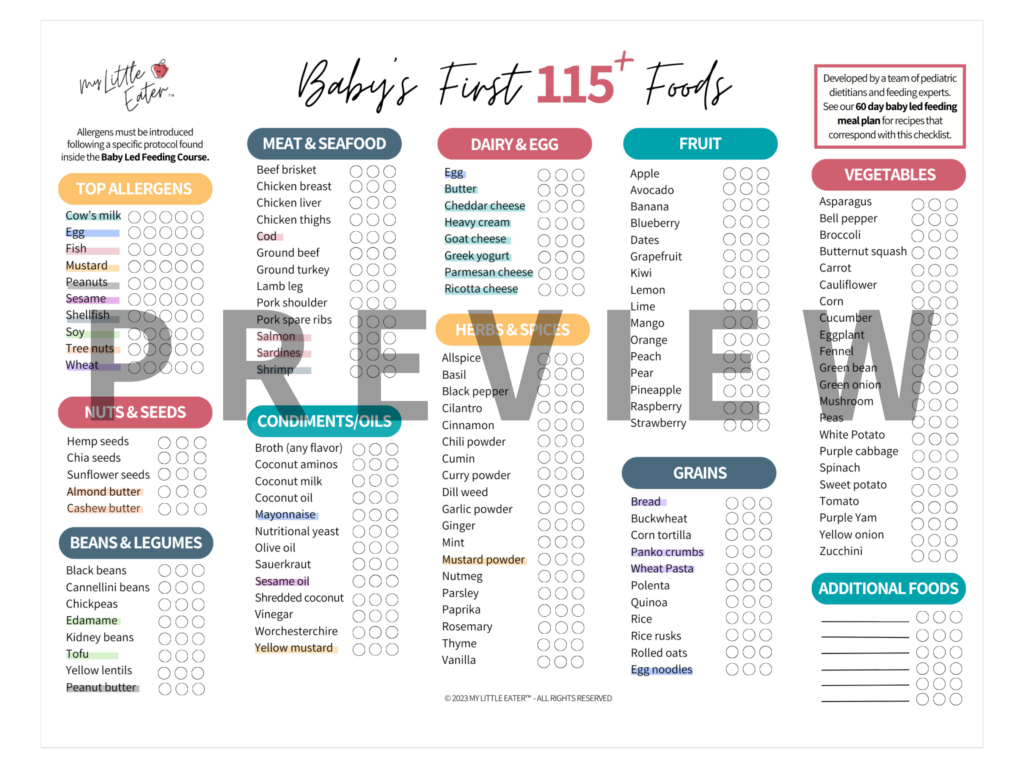
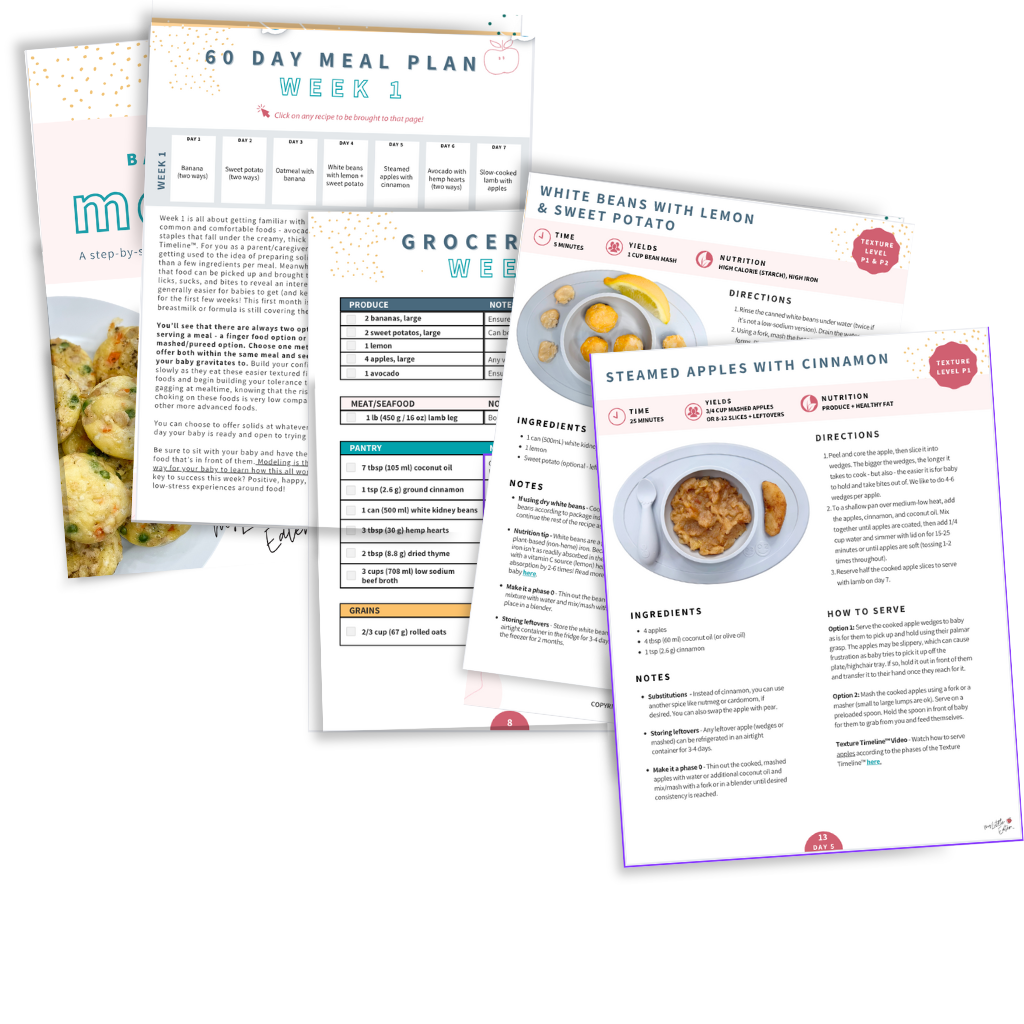
Black Friday sale! 30% off programs & meal plans until December 1st

- Edwena Kennedy, RD, BSc. Neuroscience
- Published: November 23rd, 2026
If you feel a flutter of anxiety when your baby or toddler turns their head away from a new texture or refuses to eat a previously liked food, you are certainly not alone. It is natural to worry that these early moments are a preview of years of mealtime battles, or to feel a quiet sense of guilt that you might be missing a crucial step. Learning how to prevent picky eaters often feels like a race against time, but the good news is that healthy eating habits are built on a foundation of trust rather than pressure.
You deserve to feel confident in your feeding journey, and this guide is here to provide exactly that. We will share evidence-based strategies to help your toddler build a positive relationship with food and stop picky eating before it starts. By understanding the “why” behind food refusal, you can move away from mealtime stress and toward a place of genuine connection and confidence. We will explore a clear roadmap for preventing and reversing picky eating, the benefits of sensory food play, and how to implement a pressure-free environment that encourages your little one to become a brave, curious eater.

Key Takeaways
Picky eating is a normal developmental stage, not a parenting fail. Caution around food can start showing up as early as 10-12 months.
The 6-9 month “window of opportunity” is your golden opportunity to offer LOTS of variety in tastes and textures.
Touching, smelling, and messy play all count! Sensory exploration comes long before the first bite.
Use the Division of Responsibility: you decide what, when, and where… your little one decides whether and how much to eat.
Skip the short-order cooking and the “just one more bite.” Calm, pressure-free meals build braver eaters and prevents picky eating behaviors
Keep offering! It can take 20-30 exposures before a new food is accepted.
It’s never too late to make a change, and support is here if you’re feeling stuck in how to prevent picky eaters
Table of Contents
Understanding Picky Eating: Why Prevention Starts Early
Many parents feel a sense of dread when their once-adventurous baby suddenly starts rejecting broccoli or salmon. It feels like a personal failure, but it’s actually a predictable developmental milestone. Understanding how to prevent picky eaters begins with recognizing the difference between a temporary phase and a long-term habit. Between 6 and 9 months, children experience a flavor and texture window of acceptance. This is called the window of opportunity, or a sensitive period in development. During this time, they are biologically more receptive to new tastes and textures. If we can introduce a wide variety of foods and flavors early on, we build a “taste memory” that is familiar to them that helps them stay adventurous even when the toddler years get tricky.
Selective eating, often termed picky eating, is frequently rooted in a normal survival instinct. In early childhood, this eating behavior is called food neophobia, which is a protective evolutionary mechanism where children become naturally suspicious, weary, or reluctant to try new foods, and can cause toddlers to reject previously liked foods (1). Research indicates food neophobia can start as early as 20 months, however selective eating can start to emerge even earlier than this (we see it anywheres from 10-12 months onwards) (2).

Food neophobia is prominent in early childhood, and has an evolutionary component which helped keep young children safe from ingesting dangerous substances (think poisonous berries). Today, we have greater food safety, meaning this instinct is no longer as necessary in the safety of our homes, but it still persists in many toddlers, affecting a child’s diet. Most children are also born with a preference for sweet tasting foods (like fruits) and have a dislike or sensitivity to bitter tasting foods (like broccoli) (3).
The Biological Shift: From Baby to Toddler
As your baby approaches their first birthday, their growth rate naturally slows down (4). Because they aren’t growing at the same lightning speed as in infancy, their appetite often drops, and depending on a child’s age, this toddler shift can show up as classic fussy eating as caution around food increases. This shift can cause panic, leading parents to push for “just one more bite.” At this same time, many children enter the “beige food” phase, seeking out crackers and bread and pasta because they are predictable and safe. In many cases, this is normal picky eating rather than a sign that something is wrong. It isn’t a sign of “bad” behavior; it’s a sign of a developing brain trying to stay safe.
Why the “Quick Fix” Can Backfire
In the heat of a busy Tuesday night, it’s tempting to become a “short-order cook” or provide a separate meal just to ensure your child eats something. While this provides immediate peace, it limits the essential exposure needed to build confidence. Toddlers are also very smart, and because they are in a stage of testing boundaries, they easily learn: “I don’t need to try this food. If I hold out, I’ll get something else”. And as this continues, the emotional outbursts and mealtime battles can get bigger and more intense.
Similarly, relying heavily on food pouches to get your child to eat “enough food” can hinder the development of oral motor skills and texture acceptance, especially when exposure to lumpy foods comes late. These early feeding practices and parental feeding practices, along with variety and texture exposure, are part of the environmental influences that shape later preferences. Pouches offer a consistent, smooth experience that doesn’t challenge a child’s sensory system. If you find yourself stuck in these patterns, our Feeding Toddlers™ Program offers a structured way to reintroduce variety without the power struggles. Balancing a peaceful meal with the need for exposure is a marathon, not a sprint.
The Sensory Playbook: Fostering Curiosity Beyond the Plate

Eating is one of the most complex sensory tasks a human body performs. While we often focus solely on the act of swallowing, successful eating involves a symphony of eight different senses: sight, smell, touch, taste, and sound, along with the internal senses of vestibular, proprioception, and interoception. When we consider how to prevent picky eaters, we must look at the sensory experience as a ladder. A child usually needs to feel comfortable seeing, touching and smelling a food before they ever feel safe enough to taste it. By encouraging sensory exploration away from the high chair, you allow your child to build “food bravery” and familiarity without the immediate pressure of having to eat.
Messy Play and Tactile Exploration
Creating a messy environment is actually a vital part of brain development. If a child is never allowed to get their hands messy, their tactile system can become over-sensitive, making the feeling of a “slimy” peach or a “gritty” bean feel overwhelming rather than interesting. Helping young toddlers to desensitize to various textures on their skin is the first step to helping them accept the textures in their mouth.
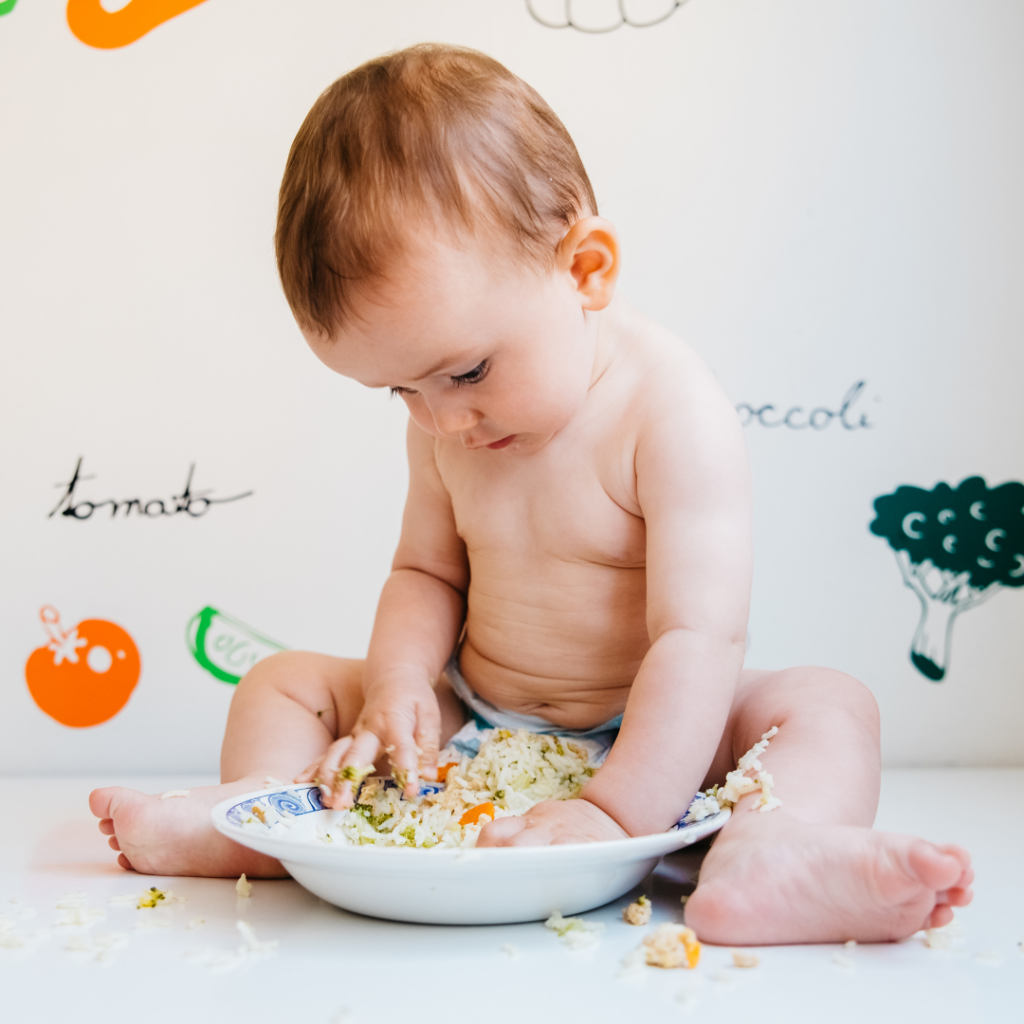
One of the hardest habits for parents to break is the urge to constantly wipe a baby’s face or hands during a meal. While it comes from a place of love and a desire for cleanliness, frequent wiping can teach the child that being messy is “bad” or something to be feared. Instead, try to wait until the end of the meal to clean up. Outside of mealtimes, you can use sensory bins filled with dry pasta, flour, or even yogurt “paints” on a tray. These activities help desensitize the skin to different textures like wet, dry, crunchy, and slimy. This kind of play can also help a child explore textures before tasting them, making unfamiliar foods feel less strange over time.
Involving Kids in the Kitchen
The kitchen is a powerful classroom for building food curiosity. Even young toddlers can participate in age-appropriate tasks like washing vegetables, stirring a cool batter, or “chopping” soft foods with a child-safe knife. Helping prepare produce can make fruits and vegetables feel more familiar. This type of exposure is incredibly effective because it happens without the expectation to eat. When a child helps prepare a meal, they are interacting with the smells, colors, and textures of ingredients in a low-stakes and fun environment, and regular exposure to a wider range of foods can support a child’s diet while making them more open to other foods over time. Helping with tasks in the kitchen can also give children a sense of pride. You might also consider visiting a local farmers’ market or starting a small herb or vegetable garden. Seeing where food comes from helps demystify the items on their plate, turning “scary” vegetables into familiar friends they helped grow or select themselves.

Establishing a Pressure-Free Mealtime Environment
One of the most effective ways to lower the temperature at the dinner table is to implement a clear framework for feeding. Ellyn Satter’s Division of Responsibility (DOR) is widely considered the gold standard for raising healthy eaters. This model simplifies your job by clearly defining your boundaries and those of your child. When you understand your specific roles, the anxiety of how to prevent picky eaters transforms from a daily battle into a manageable routine. It allows you to step back from the role of a “food police officer” and become a supportive partner in your child’s development.
In this framework, the parent is responsible for the what, when, and where of feeding. You choose the menu, set the schedule, and decide that the family eats at the table. The child, however, is solely responsible for whether they eat and how much they eat from what you have provided. When we bribe, beg, or force “one more bite,” we unintentionally teach children that eating is a chore rather than a natural response to hunger. When we provide backup food options, sometimes a favorite food, after they don’t initially eat the food we offered, this is the child dictating “what” is served, which is your job as the parent within this framework.
When we implement this framework consistently and confidently, mealtime battles reduce, the table becomes a place of enjoyment and connection, and your child can calm down. The DOR is the foundation that all other strategies are built on for helping children to become adventurous eaters.
Schedules, Family Meals, and Social Eating
A predictable rhythm is essential for a child’s appetite. At 12+ months, aim for three structured meals and two to three snacks per day, spaced roughly two to three hours apart. This ensures that your child arrives at the table with a healthy appetite but isn’t so hungry that they become dysregulated. Having a general schedules keeps toddlers from “grazing” on snack foods throughout the day, which reduces their appetite and motivation to eat foods at mealtimes as they hold out for and fill up on snacks. Serving family style meals, where food is placed in large bowls in the center of the table, works best during family meals when everyone is offered the same food, and seeing others eat calmly helps normalize new foods without pressure. Eating together is the most powerful tool you have; your child is much more likely to try a new vegetable if they see you enjoying it without making a fuss.
The Power of Indifference
Maintaining a neutral reaction to your child’s eating habits is a superpower. Whether your little one devours their entire plate or refuses to touch a single pea, your response should remain calm and consistent. By feigning indifference toward how much a child consumes, you preserve their ability to listen to their own internal hunger cues without the interference of external expectations. This prevents the “clean plate club” mentality that can lead to overeating later in life. Avoiding the “one more bite” rule reduces immediate stress and signals to your child that you trust their body to know what it needs. You can also serve a new food alongside one or two foods your child likes, then let your child decide whether and how much to eat. If they try it—or don’t—don’t make it a big deal.
Strategic Exposure: How to Introduce and Re-Introduce Unfamiliar Foods and Variety
It is entirely normal to feel discouraged when the healthy foods and complex meal you’ve lovingly prepared ends up on the floor or completely refused. However, persistence is a cornerstone of how to prevent picky eaters. Many parents stop offering a food after two or three rejections, assuming their child simply doesn’t like it. In reality, it can take a child 20-30 exposures before accepting it. Part of these exposures may need to be simply becoming familiar and comfortable seeing, touching, and smelling the food to move onto tasting it. By serving micro-portions, amounts as small as a single pea or a thin sliver of pepper, you reduce the intimidation factor and make the food feel like a low-stakes invitation rather than a demand.
To avoid the “rotation rut,” try to vary your menu even when you know certain foods will be rejected. If we only serve the same five “safe” meals, we risk trapping a child in a short list of favorite foods. Variety matters over time because it can support healthier vegetable consumption instead of reinforcing the idea that only a few familiar meals belong on the plate. If you’re looking for a structured way to introduce this variety, our Feeding Toddlers program goes over all these strategies in more detail.
The Language of the Table

Words carry immense weight at the dinner table. What you say at the table can help to prevent picky eating. Instead of labeling your child’s preferences with “You don’t like this,” or praising them only when they eat a food, try praising them for their eating skills (like scooping up food with a spoon) or praise their bravery for trying something new. Instead of forcing them to eat another bite, you can simply say “that’s okay, you don’t have to eat it”. This is a powerful phrase that removes the pressure they may feel to eat the food, and helps them to feel calm around it. You may even find they try the food later. These simple shifts acknowledges that their palate is a work in progress and takes the pressure off both of you. You can also move away from subjective labels like “yummy” or “good” and use descriptive sensory words such as “crunchy,” “sweet,” or “green.” These remove the requirement to perform and keeps the focus on curiosity.
Safe Foods and Food Chaining
A “safe” food is a familiar item you know your child will likely eat. Relying on only a few accepted foods can narrow your child’s diet, so the goal is to gradually expand to other foods over time. Always including one safe food on the plate acts as an emotional anchor, preventing mealtime meltdowns when new items are introduced. However, sometimes those safe foods become favorite foods always showing up on their plate. This can reduce their motivation to try the other food if they can reliably fill up on the favorite food and wait until the next eating opportunity. Sometimes the value of the safe food needs to be lowered (not a favorite food, but still a food they can eat) to increase the motivation to try the other foods.
Once a food is accepted, you can use “food chaining” to slowly evolve it. For example, if your child loves a specific pasta shape, you might try a slightly different shape, then eventually add a small amount of a new sauce. This creates a “bridge” from a comfortable, accepted food to a slightly different version, building confidence through gradual, manageable changes that respect your child’s pace.
Picky eating: When to seek extra support

Raising a confident eater is a journey that requires patience, but you don’t have to walk this path alone. While many of the behaviors we see in early childhood are developmental, it is important to know when to seek extra support. For most families, understanding how to prevent picky eaters is about consistency and subtle environmental shifts. However, while many picky eating behaviors are a normal phase, patterns like refusing entire food groups, experiencing physical distress during meals, extreme parental distress, mealtime battles, poor growth, and falling behind on growth charts may point to a more serious issue that needs support. Picky eating can affect a child’s diet and lead to nutritional deficiencies, including low intakes of iron and zinc. In many of these cases, it requires a more specialized approach than typical picky eating strategies.
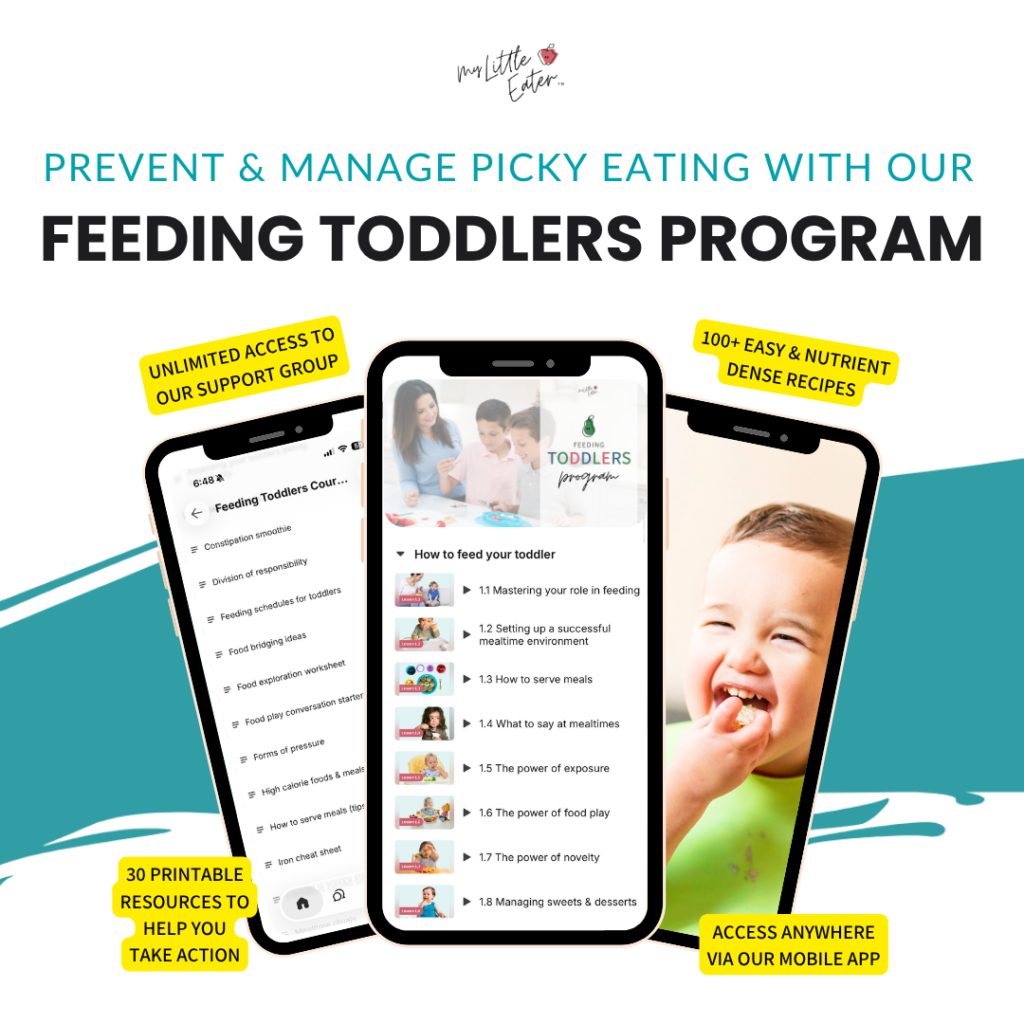
Want to stop picky eating before it starts? Toddlerhood is a LOT… one day they’re loving broccoli and the next it’s on the floor. The good news? Picky eating isn’t something you just have to survive. Whether you are just starting to see the effects of picky eating emerge, or you are deep in the selective eating phase with a three-year-old, there is always a structured path forward. In our Feeding Toddlers program, our dietitians give you simple, step-by-step strategies to raise a curious, happy eater, without the guilt or the dinnertime battles. Let’s bring the joy back to your table!
Sometimes, generalized advice isn’t enough for the unique challenges your family faces. If you feel stuck or overwhelmed by your child’s food refusal, booking a Dietitian Counselling session provides you with a personalized roadmap tailored to your child’s specific needs.
Frequently Asked Questions
How do I know if my child is a picky eater or just going through a phase?
Developmental food neophobia, or the fear of new things, is a normal phase that usually peaks between ages two and six and is a normal part of child development in many young children. If your child is still eating at least one food from each major food group and remains generally healthy, it is likely a temporary phase, though parents can sometimes find it hard to judge how their child’s eating compares with typical behavior for that age. True picky eating often involves a much more restricted list of accepted foods and persistent anxiety during mealtimes that interferes with daily life.
Is it okay to hide vegetables in my child's food to ensure they get nutrients?
While adding hidden vegetables to sauces can boost nutrition, it shouldn’t be your only strategy because it doesn’t teach your child to like the actual vegetable. Hiding food can also lead to a breakdown in trust if they discover the secret ingredient. It is better to offer vegetables in their whole form alongside familiar foods so they can learn to recognize and eventually accept them.
What should I do if my child refuses to eat the dinner I prepared?
If your child refuses a meal, remain calm and stick to the Division of Responsibility framework. You have provided the food, and they decide whether to eat it. Avoid offering an alternative meal immediately; instead, ensure there is always at least one safe food on the plate that they usually accept. This teaches them that the kitchen is not a restaurant while ensuring they don’t go to bed hungry.
At what age does picky eating usually start, and how long does it last?
Picky eating typically begins around the age of one when growth slows and a child’s desire for autonomy increases. It often peaks between ages two and six. Most children naturally grow out of this phase as their sensory systems mature and they gain more consistent exposure to various foods in a low-pressure environment.
Can baby-led weaning really help prevent picky eating later on?
Baby-led weaning can be a powerful tool for those wondering how to prevent picky eaters because it encourages early autonomy, texture and flavour acceptance, and sensory exploration. By allowing babies to control what they put in their mouths, they become more comfortable with different textures and flavors. This early independence often leads to more adventurous eating habits as they transition into the toddler years with a sense of food bravery and a larger list of accepted foods, flavours and textures.
Should I offer a different meal if my child won't eat what is on their plate?
You should avoid becoming a short-order cook by offering a completely different meal when the first one is rejected. This habit limits your child’s exposure to family foods and reinforces the idea that they don’t have to try new things. Instead, serve meals family-style and include a familiar side dish so they have something safe to consume without you needing to cook twice for every meal.
How many times should I offer a food before giving up?
Every child is different, but it can take at least 20-30+ exposures in some cases for a child to start accepting a new food. Persistence is key because taste buds take time to adapt to new flavors and textures. Even if they just look at or touch the food during the first few exposures, that still counts as progress toward eventual acceptance. Don’t give up; your consistency will eventually pay off as they grow more comfortable.
Is it too late to prevent picky eating if my child is already two years old?
It is never too late to learn how to prevent and reverse picky eating habits, even if your child is already two years old. While the window of opportunity is most open in the earlier starting solids journey, toddlers are still highly capable of learning to like new foods through consistent, pressure-free exposure. Implementing strategies like sensory play and the Division of Responsibility can make a significant difference at any age or stage. While many children improve with time, some toddlers may require more intervention, and seeing a feeding specialist is best.
REFERENCES
1) Bialek-Dratwa, A., Szczepanska, E., Szymanska, D., Grajek, M., Krupa-Kotara, K., & Kowalski, O. (2022). Neophobia – A natural developmental stage or feeding difficulties for children? Nutrients, 14(7), 1521. 10.3390/nu14071521
2) Harris, G., & Mason, S. Are there sensitive periods for food acceptance in infancy? Current Nutrition Reports, 6, 190-196. https://link.springer.com/article/10.1007/s13668-017-0203-0
3) Mennella, J, A., Bobowski, N. K. (2015). The sweetness and bitterness of childhood: Insights from basic research on taste preferences. Physiology & Behavior. 10.1016/j.physbeh.2015.05.015
4) Healthychildren.org. Your child’s growth & physical development: 1 year old. Retrieved from: https://www.healthychildren.org/English/ages-stages/toddler/Pages/Physical-Appearance-and-Growth-Your-1-Year-Old.aspx
PIN THIS INFO TO SAVE FOR LATER!


Edwena Kennedy, RD, BSc. Neuroscience
Founder & Lead Pediatric Registered Dietitian at My Little Eater
Edwena is a Registered Dietitian with over 15 years of experience in pediatric nutrition, two post-secondary degrees (Neuroscience and Applied Human Nutrition), and a mama of two boys. She's the creator of the Texture Timeline™ and is backed by a team of pediatric dietitians and a speech-language pathologist. Meet the full team here.
More Blogs Like This...