- Edwena Kennedy, RD, BSc. Neuroscience
- Published: August 3, 2026
Just yesterday, your little one was happily devouring avocado toast, but today, that same meal ended up on the kitchen floor while they demanded a bowl of plain crackers.
It is a frustrating, confusing cycle that many parents start to experience right around the 1-year of age mark. When your child’s appetite seems to vanish overnight, it’s natural to worry if they are getting enough nutrition to support their rapid growth and brain development. You aren’t alone in feeling like mealtime has become a battlefield rather than a moment for family connection.
We understand that the pressure to raise a healthy eater can feel overwhelming, especially when you’re navigating conflicting advice and a toddler’s changing moods. You want to feel confident that your child is meeting all of their nutritional needs without every dinner ending in a power struggle. This guide is designed to replace that mealtime anxiety with practical, dietitian-led strategies. You’ll learn how to manage picky eating habits, understand what a normal portion actually looks like, and rediscover the joy of a peaceful table.
Key Takeaways
Understand why your child’s growth naturally slows after their first birthday and why a sudden drop in appetite is a normal biological milestone.
Identify the “Big Three” essential nutrients for toddler nutrition to ensure your child is thriving even on days when they seem to “live on air.”
Learn how to apply the Division of Responsibility to clearly define your role at the table and end stressful mealtime power struggles.
Master realistic portion sizes using simple visual cues and the “Rule of Thumb” to reduce food waste and gain confidence in your child’s intake.
Discover how “Family Style” serving can help your child develop into an intuitive eater who listens to their own body’s hunger and fullness cues.
Table of Contents
Understanding the "Toddler Shift": Why Appetite and Behavior Change at One Year
It happened almost overnight. Your baby, once a curious eater who happily sampled everything on their tray, suddenly views a single cracker as a full meal.
This transition is what we call the “toddler shift.” It marks a significant change in how your child interacts with food and their environment. While it feels like a frustrating regression that can lead you into a spiral of googling “why won’t my toddler eat anything”, it’s actually a sign of healthy development. We’re here to help you move from worry to a place of confident, relaxed feeding!
Around the first birthday, your child is also discovering they are a separate person from you. The “I do it” mantra begins to dominate their day. Since they have very little control over their schedule, sleep, or clothing, the dinner table becomes one of the few places they can exert their will. If they refuse a meal, it’s often less about the flavor and more about practicing their newfound independence. They aren’t trying to be difficult; they are simply learning how to have an opinion.
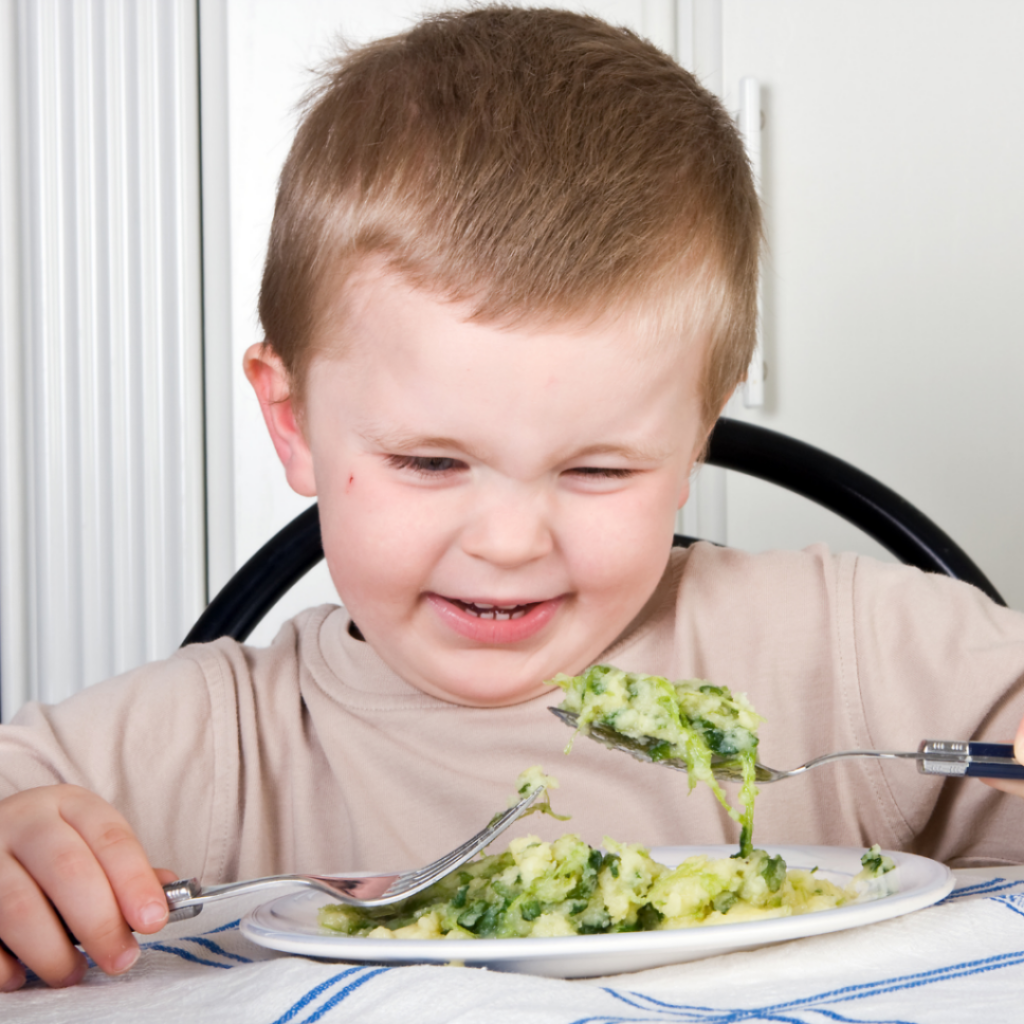
The Biological Growth Slowdown
Toddler appetite is a fluctuating, non-linear biological process that responds to internal growth signals rather than a consistent daily schedule.
During the first year of life, infants often triple their birth weight. It is an incredible feat of biology that requires constant, high-calorie fuel. Once they hit the toddler years (around 12 months of age), that growth rate drops significantly.
An average infant might gain 15 pounds in their first year, while a toddler may only gain about 5 pounds between ages one and two. Because their bodies aren’t building new tissue at that same lightning pace, their calorie needs naturally decrease. This explains why your child might eat like a champion on Tuesday and then “live on air” for the rest of the week. Their appetite fluctuates wildly based on activity, teething, and growth spurts.
Neophobia: The Fear of New Foods
Many parents label this stage as “picky eating,” but it is often a developmental phase known as food neophobia. This is a survival-based fear of new or unfamiliar things. From an evolutionary perspective, a toddler who is suddenly mobile needs a built-in danger sensor to prevent them from eating colorful but poisonous berries or mushrooms in the wild. In a modern kitchen, that same instinct makes them suspicious of a stray piece of spinach, a new sauce, or a different kind of cheese. This is a normal protective mechanism, not a permanent character trait.

To help your child navigate this fear, try acknowledging their feelings without forcing or pressuring them to eat. You might say, “You’ve never had bok choy before. You don’t have to eat it but it can stay on your plate while we eat our dinner.”
This simple phrase removes the pressure to perform while keeping the food visible and “safe” in their environment. Over time, this repeated, low-pressure exposure, especially to meat and veggies, helps them build the courage to eventually try a bite and can reduce fear over time. Keep in mind that every toddler will have a different level of tolerance for new foods – our advice it start small (maybe just 1-2 pieces of the new food) to avoid overwhelm. Pairing new foods with familiar “safe foods” like cooked rice or fresh fruit and also help your toddler feel more comfortable a the dinner table.
Essential Nutrients for Toddlers: Fat, Fiber, and Protein the "Big Three" Focus
Once you understand that your child’s appetite is naturally shifting, the next step is focusing on the quality of the food they do eat. While it’s tempting to focus on total calories, toddler nutrition is more about ensuring they get the right building blocks for their developing brains and bodies. We like to focus on the “Big Three”: Fat, Fiber, and Protein (FFP). These nutrients work together to support neurodevelopment, provide long-lasting energy, and keep their digestive systems moving smoothly.
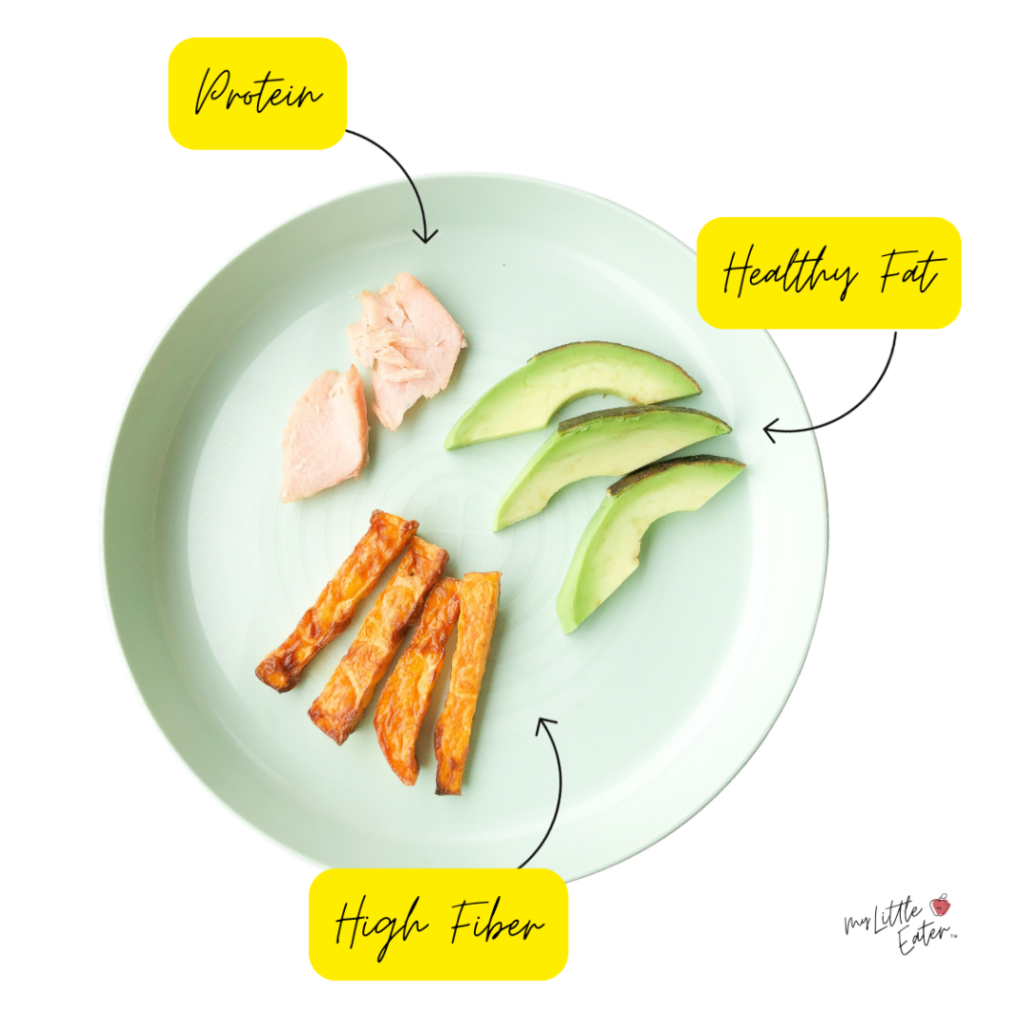
Protein is one of the most important nutrients during this transition. As babies move away from breastmilk or fortified formula, their risk for iron and protein deficiencies can go up. This risk gets even bigger when parents believe toddlers need unlimited cow’s milk (a common misconception, by the way).
According to CDC guidance on toddler foods, toddlers between 12 and 24 months should have about 16 ounces (2 cups) of milk a day, max. Here’s why that limit matters: too much milk means too much calcium and casein, and both of those can block iron absorption. On top of that, all that milk fills little tummies up fast, leaving less room (and less appetite) for the iron-rich solid foods their bodies actually need to grow and develop.
Protein-Rich Foods for Stubborn Eaters
If your toddler refuses meat, don’t worry… there are still plenty of ways to get protein on their plate. Plant-based options like beans, lentils, Greek yogurt, eggs, and fortified cereals all pack a protein punch. To make sure your little one is getting a complete amino acid profile, try the “pairing trick”: combine a plant protein with a grain, like beans with rice or lentils with pasta. This combo gives their body everything it needs to build and grow.
If you’re looking for creative ways to serve these ingredients, our Little Eater’s Recipe Library offers hundreds of dietitian-approved ideas that even the most skeptical toddlers tend to enjoy!
The Role of Healthy Fats and Fiber
The latest 2025-2030 dietary guidelines for Americans emphasize the importance of whole-fat dairy for toddlers. Fats found in whole milk and full-fat yogurt, which help toddlers reach 700 mg of calcium daily to support strong bones, are important for neurodevelopment and provide the satiety children need to feel full between meals.
These foods do include saturated fat, but within an overall balanced diet they can still be a useful part of toddler meals. Beyond dairy, you can easily boost their intake by adding healthy fats like avocado, nut butters, or a drizzle of olive oil to their favorite foods, and fortified soy milk can also help provide calcium for children who do not drink cow’s milk. These fats are dense in energy, which is perfect for a busy toddler who might only sit still for a few bites.
Fiber is the final piece of the puzzle. It plays a vital role in preventing the “toddler constipation” cycle, which can often lead to even more picky eating and mealtime refusal. Focus on offering nutrient-dense snacks like fruit with the skin on, whole-grains, or fresh veggies, rather than “filler snacks” (like granola bars, gold fish, applesauce, etc.). This approach ensures every bite counts toward their growth and development!
The Feeding Relationship: Navigating Picky Eating and the Division of Responsibility
If you’ve ever found yourself bargaining with a two year old over a single piece of broccoli, you know that mealtime can quickly turn into a battlefield. While we often focus on the physical aspects of toddler nutrition, the emotional environment at the table is just as important. Building a healthy relationship with food starts with a framework called the Division of Responsibility (DOR). This method, developed by feeding expert Ellyn Satter, removes the pressure from both you and your child by clearly defining your separate roles during a meal.
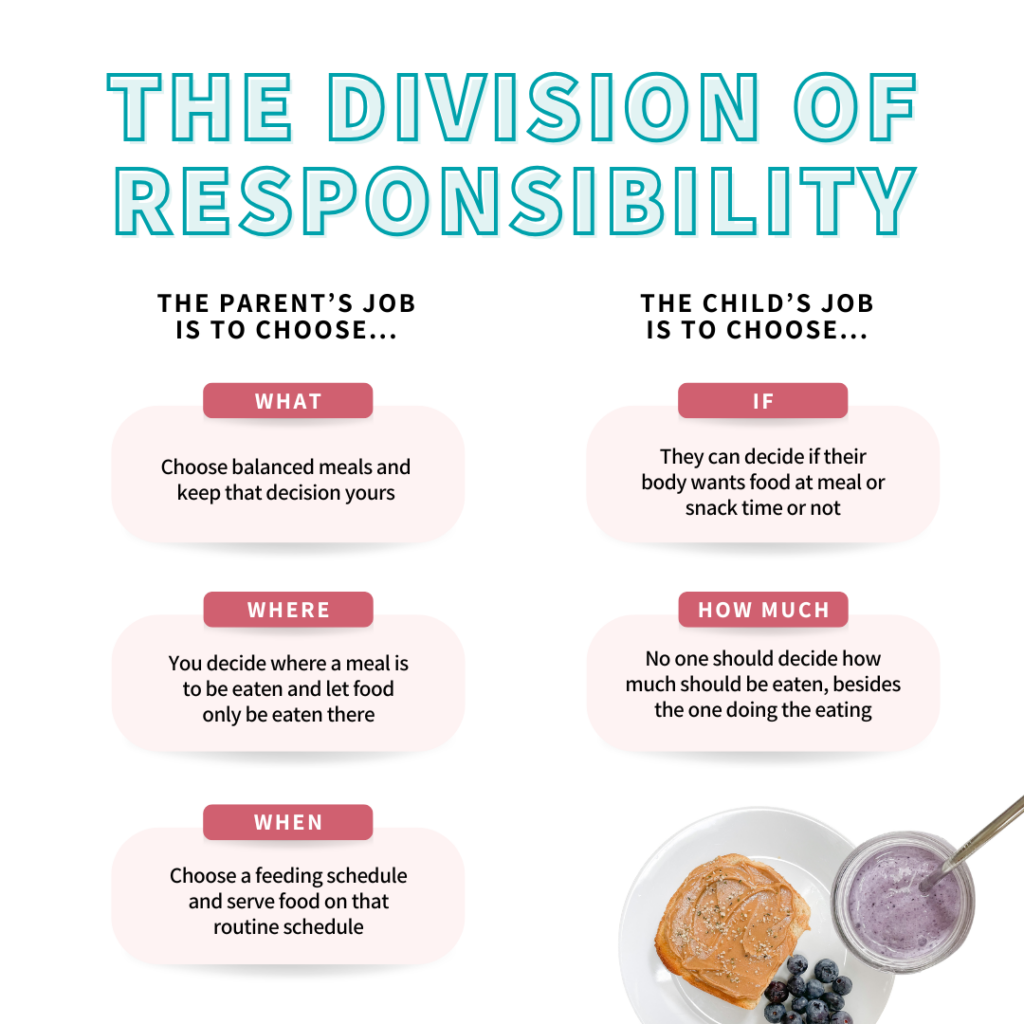
In this relationship, you are the leader, but your child is able to listen to their body. Your job is to decide three things: what food is served, when the meal or snack happens, and where it is served. Once the food is on the table, your responsibility ends. Your toddler then takes over the second half of the job. They decide whether they are going to eat anything at all and exactly how much they need to feel full. This clear boundary prevents pressuring a child to eat, which almost always backfires. When children feel forced to eat, they often become more resistant, which can lead to a lifelong negative association with healthy foods.
The CDC Guide to Infant and Toddler Nutrition highlights that a structured mealtime routine helps children feel secure and more willing to try new things. By sticking to your roles and a general schedule, you create a predictable environment where your child can trust you and focus on exploring their plate rather than defending their autonomy. It allows them to become an intuitive eater, a skill that will serve them far beyond their toddler years.
Ending the Mealtime Power Struggle
The phrase “just one more bite” is a common staple in many homes, but it often does more harm than good. It teaches children to ignore their internal fullness cues in favor of pleasing the parents. If your toddler says “no” or starts throwing food, try to keep your reaction neutral or don’t react at all.
A big emotional response often reinforces the behavior because it gives the child the attention or control they are seeking. Simply state, “It looks like you’re all finished,” and calmly remove the food. Maintaining a consistent routine for the “where” and “when” of meals ensures they know another opportunity to eat is coming soon, which reduces anxiety for everyone.

The "Safe Food" Strategy
One of the most effective ways to introduce new textures is the “safe food” strategy. Always include at least one item on the plate that your child can reasonably eat, such as a slice of bread, oatmeal, or some fruit. This ensures they don’t feel overwhelmed by a plate full of “scary” new items. Remember that success isn’t defined by a swallowed bite. Touching, smelling, or even just tolerating a new food on their plate counts as a positive exposure!
SAFE FOOD TIPS: A safe food doesn’t have to be a favorite food. It’s SO easy to default to your toddler’s favorite every single time, but that can actually work against you. A safe food is really just any food your toddler has eaten over the last couple months. If the only safe foods on the plate are also your toddler’s favorites, the new or typically-refused food you’re trying to introduce doesn’t stand a chance. Instead, try rotating in safe foods that are more “meh, I’ll eat it,” that levels the playing field a bit and gives the new or refused food a real shot at getting noticed (and maybe even tried).
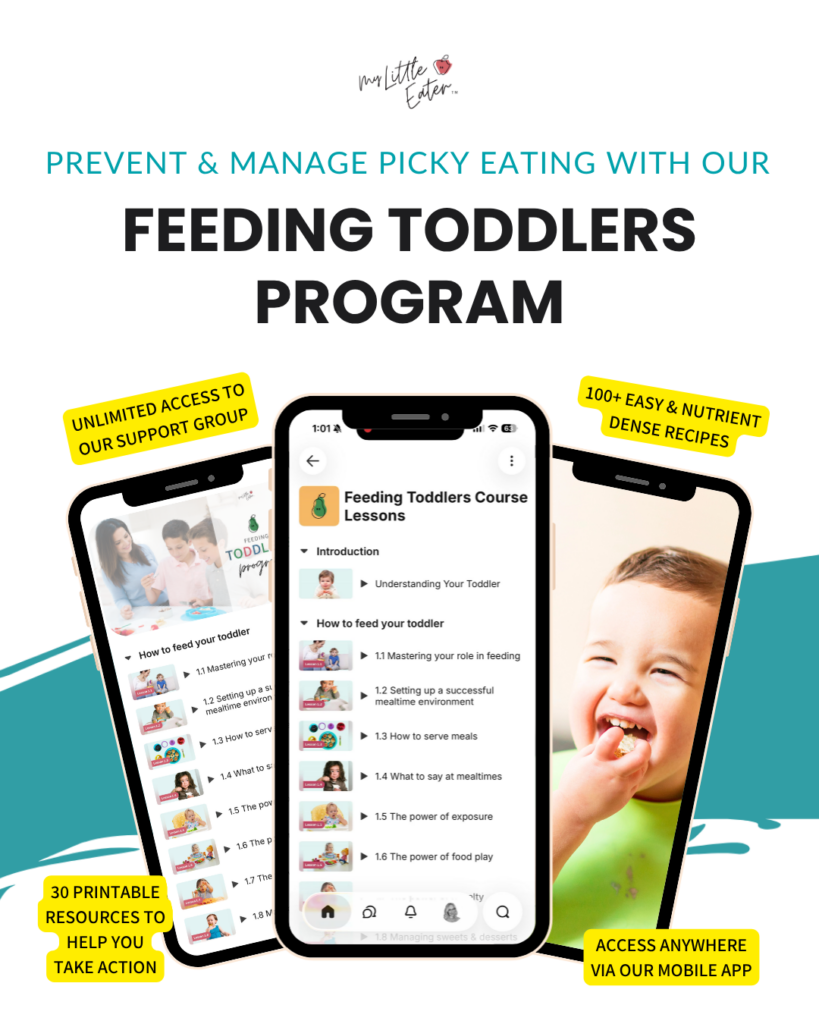
If you are feeling stuck and need a more structured path forward, our Feeding Toddlers™ Program provides a step-by-step guide to implementing these strategies and reclaiming your family mealtimes.
Practical Meal Planning and Portion Sizes: A Parent’s Daily Checklist
One of the biggest sources of mealtime stress is simply having unrealistic expectations of how much a small stomach can actually hold. While an adult-sized plate might look “normal” to us, it can be incredibly overwhelming for a child. A good visual guide is to remember that a standard portion for toddler nutrition is roughly one-fourth the size of an adult portion. If you’re looking for a more specific measurement, try the “Rule of Thumb”: start by offering about one tablespoon of each food group for every year of your child’s age. Starting with these small amounts prevents food waste and makes the task of eating feel manageable for your little one. You can always replenish if needed!
To keep energy levels stable and moods predictable, it’s helpful to remember that children should eat every 2 to 3 hours, which usually looks like three main meals and two to three scheduled healthy snacks. Consistent meal times and snack times create a predictable rhythm that prevents “grazing,” a habit that can dull a child’s appetite for more nutrient-dense meals later in the day. By having set times for eating, you’re helping them learn to recognize their own internal hunger and fullness signals. It’s a foundational skill for raising an intuitive eater!
How to Build a Balanced Toddler Plate
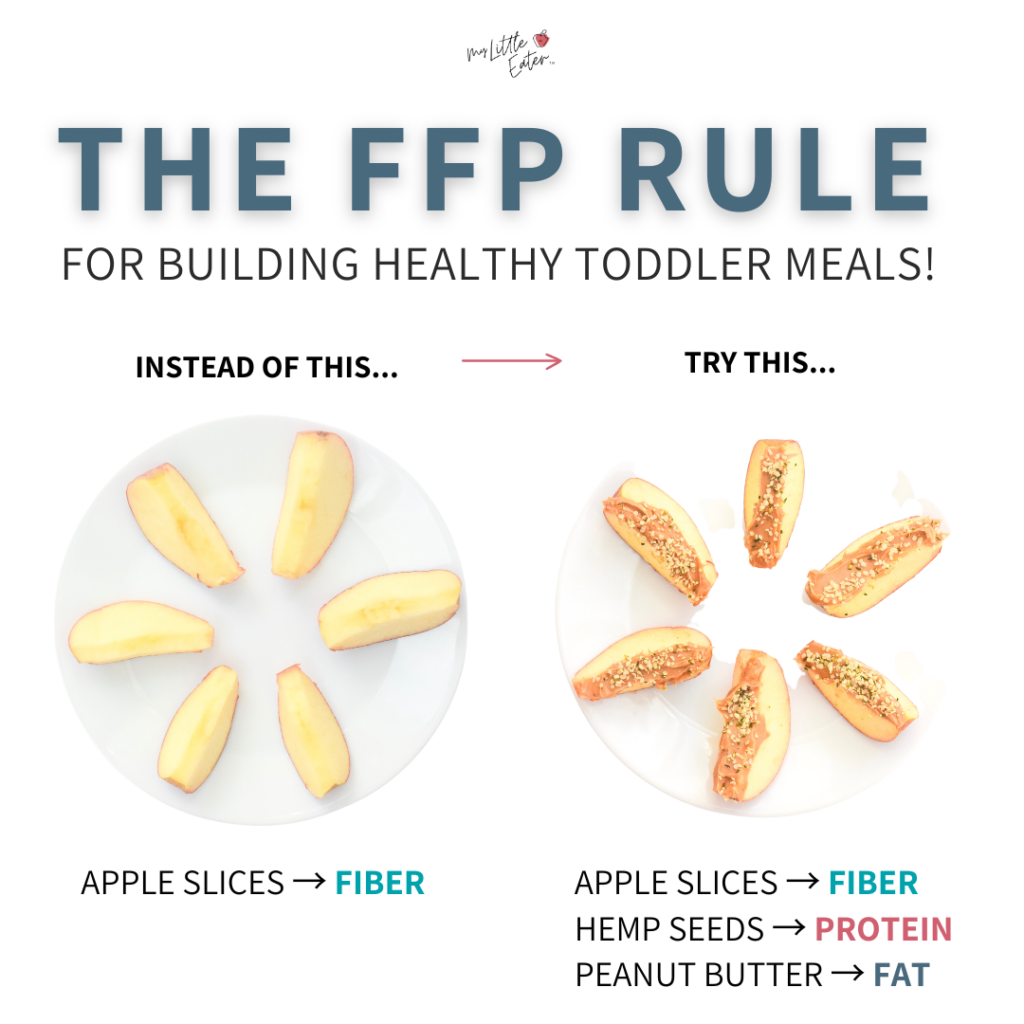
Building a balanced plate doesn’t have to be a complicated chore. You can follow a simple formula to ensure they get a variety of nutrients, keeping in mind that serving sizes for toddlers are smaller and should be adjusted by age: aim for half the plate to be fiber (fruits, vegetables, or whole grains), one quarter to be a protein source, and the final quarter to be a healthy fat. This structure ensures they get the “Big Three” nutrients we discussed earlier.
Step 1: Choose a protein. This can be animal-based like seafood, beef, chicken or eggs, or plant-based like beans, lentils, or tofu, and toddlers should be offered 2 servings of protein daily. One serving can look like: 1 oz meat, fish, poultry or tofu, or 1/4 cup cooked beans/lentils/chickpeas.
Step 2: Choose a fiber. Include fruits, vegetables, and whole grains like oats, quinoa, or whole wheat pasta. These foods help to support healthy digestion! One serving can look like: 1/4 cup of cooked or chopped vegetables, 1/4 cup of fruit, or 1/2 a slice of whole wheat bread.
Step 3: Choose a fat. Include foods like avocado, olive oil, nut or seed butters, full-fat dairy, and fatty fish (like salmon). Your toddler’s growing brain and body actually need MORE fat than yours does! One serving can look like: 1 tsp of oil or butter, 1 tbsp of nut or seed butter, or 1/3 cup of yogurt. These healthy fats provide the steady energy toddlers need for their busy days.
If you find yourself stuck for ideas between meals, our Toddler Snack Guide offers quick, balanced suggestions to bridge the gap without spoiling their appetite for dinner!
The 24-Hour Rule: Looking at the Big Picture and Snack Times
It’s common for parents to feel a sense of panic when a toddler refuses a specific meal, but it’s much more helpful to look at a child’s diet over a full week rather than a single day, with the goal of balance across the week rather than perfection at each meal.
Some days they may only want beige foods like pasta, crackers, or bread. This is often a temporary phase where they are seeking comfort or familiar, predictable textures. As long as you continue to offer a variety of options without pressure, they will eventually branch out again when they feel ready.

Finally, remember the importance of hydration in the overall nutrition picture. Water should be the primary choice throughout the day. Milk should be limited to the 16-ounce daily cap to ensure it doesn’t interfere with iron absorption. Juice intake should be avoided or at the very least kept to a minimum, ideally no more than 4 ounces of 100% fruit juice per day. This prevents excess added sugar intake and protects their developing teeth while ensuring they have plenty of room for nutritious solid foods.
Building Healthy Eating Habits for Life: How to End Mealtime Wars Today
The ultimate goal isn’t just to get a few pieces of broccoli into your child today; it’s to raise an intuitive eater who trusts their own body for a lifetime. One of the most effective ways to foster this autonomy is through “Family Style” meals. Instead of pre-plating their food in the kitchen, try placing the serving bowls in the center of the table and letting your child have a say in what goes onto their plate. Even if they only scoop a tiny portion, that simple act of choosing significantly reduces mealtime resistance. It shifts the dynamic from you “feeding” them to them learning how to feed themselves.
When we move away from being the “gatekeepers” of every single bite, we allow our children to explore food at their own pace. This transition is a major developmental milestone that requires a bit of patience and, admittedly, a bit of a mess. Letting them use their own spoons, or even their hands, is essential for their sensory development, and these repeated experiences help build healthy eating habits over time. You’re no longer just managing a daily task. You’re teaching a fundamental life skill that builds their confidence and curiosity.

Modeling and Exposure
It’s helpful to remember that your child is watching you much more than they are listening to you. If they see you enjoying a variety of textures and flavors without making a fuss, they are far more likely to eventually do the same. Sitting and eating the same meal with your child is the single best “teaching” tool in your parenting kit. During these moments, try to keep the conversation neutral, light, and fun. Avoid labeling foods as “good” or “bad,” or using “healthy” as a reason they must eat something.
Food neutrality is the practice of presenting all foods without moral value, which helps children develop a balanced perspective and prevents the “forbidden fruit” effect that often leads to emotional eating later in life.
When to Seek Professional Help
Although some selective eating is a completely normal developmental phase, there are times when a little extra support is necessary. It’s helpful to watch for specific red flags that might indicate a deeper sensory or physical issue, and to talk with your child’s doctor if you’re worried about allergies, growth, persistent feeding issues, or weight concerns. If your child is experiencing actual weight loss, extreme gagging or vomiting at the sight of food, or if their “safe” list has shrunk to fewer than 10 foods, it might be time to consult an expert. Personalized Dietitian Counseling (we can help you!) can provide the roadmap and specific strategies you need to move forward.
Above all, remember that you are doing a great job. This stage of parenting is uniquely exhausting because it feels so high-stakes. By staying consistent with the Division of Responsibility and keeping the table a pressure-free zone, you are giving your child the best possible start. You have the tools to turn mealtime into a peaceful part of your day again.

Reclaiming Joy at Your Family Table
We have explored how the “toddler shift” is a natural part of development and why prioritizing the “Big Three” nutrients, protein, fat, and fiber, can simplify your daily meal planning. By embracing the Division of Responsibility, you’ve learned that your role is to provide the environment while your child learns to listen to their own hunger cues. Mastering toddler nutrition doesn’t require perfection or a clean plate at every meal. It’s about building a foundation of trust and neutrality that lasts a lifetime.
If you’re ready to move past the power struggles and feel confident in your feeding choices, we are here to support you. End the mealtime stress with our Feeding Toddlers™ Program, created by Pediatric Dietitian Edwena Kennedy. This program provides evidence-based strategies already used by thousands of families to transform their mealtimes. For those seeking even more personalized guidance, one-on-one dietitian counseling is also available to help you navigate your unique challenges with ease!
You are doing an incredible job navigating this complex stage. With a little patience and the right tools, peaceful family mealtimes are well within your reach. Trust the process, trust your child, and most importantly, trust yourself.
Frequently Asked Questions
How many calories does my 2-year-old actually need?
Most two-year-olds require between 1,000 and 1,400 calories daily to support their growth and high energy levels. Instead of tracking every calorie, it’s more helpful to look at their intake over a full week. If you offer a variety of whole foods, your child will naturally adjust their eating based on their activity. This flexible approach is a cornerstone of healthy toddler nutrition.
Is it okay if my toddler only eats one meal a day?
It is completely normal for a toddler to eat one “great” meal and then pick at their food for the rest of the day. Their growth slows down significantly after the first year, so their drive to eat isn’t as constant as it was during infancy. As long as they are meeting their developmental milestones and have plenty of energy, you don’t need to worry about a fluctuating appetite.
What should I do if my toddler refuses to eat anything green?
Continue to offer green vegetables without any pressure or “just take one-bite” rules. You can try different preparations, such as roasting broccoli for a crunchier texture or blending spinach into a familiar fruit smoothie. Exposure is the goal, and sometimes it takes dozens of tries before a child feels brave enough to taste something new. Keeping the environment neutral helps prevent a permanent dislike of vegetables.
How much milk should a toddler drink in 24 hours?
Toddlers between 12 and 24 months should ideally be limited to 16 ounces, or two cups, of whole milk per day. While milk is a great source of calcium, drinking too much can lead to iron deficiency by filling up their small stomachs and displacing iron-rich solid foods. Balancing milk intake is a vital part of supporting overall toddler nutrition and encouraging a diverse diet.
Can I give my toddler vitamins if they are a picky eater?
Vitamins can serve as a helpful safety net, but they shouldn’t be used as a replacement for whole foods. A “food first” approach is always best for building long-term healthy habits and ensuring they get the nutrients they need. If you’re concerned about specific deficiencies like iron or Vitamin D, it’s a good idea to discuss a supplement with your pediatrician or a registered dietitian.
How do I stop my toddler from throwing food on the floor?
The most effective way to stop food throwing is to use a calm, neutral reaction and set a clear boundary. You might say, “Food stays on the table. If you throw it again, the meal is over.” If they throw again, calmly remove the tray and let them down from the high chair. This teaches them that throwing food ends the eating opportunity without creating a rewarding power struggle.
Is juice necessary for a healthy toddler diet?
Juice is not a necessary part of a toddler’s diet, and whole fruit is always a better choice because it provides essential fiber. If you do choose to serve juice, ensure it is 100% fruit juice and limit it to no more than 4 ounces per day. Avoiding sugary drinks helps protect their developing teeth and ensures they have plenty of room for the nutrient-dense solid foods they need to thrive.
LOVE IT? PIN IT TO SAVE FOR LATER!


Edwena Kennedy, RD, BSc. Neuroscience
Founder & Lead Pediatric Registered Dietitian at My Little Eater
Edwena is a Registered Dietitian with over 15 years of experience in pediatric nutrition, two post-secondary degrees (Neuroscience and Applied Human Nutrition), and a mama of two boys. She's the creator of the Texture Timeline™ and is backed by a team of pediatric dietitians and a speech-language pathologist. Meet the full team here.
Edwena Kennedy, RD, BSc. Neuroscience
Founder & Lead Pediatric Registered Dietitian at My Little Eater
Edwena is a Registered Dietitian with over 15 years of experience in pediatric nutrition, two post-secondary degrees (Neuroscience and Applied Human Nutrition), and a mama of two boys. She's the creator of the Texture Timeline™ and is backed by a team of pediatric dietitians and a speech-language pathologist. Meet the full team here.
More Blogs Like This...