- Originally Published: April 21st, 2025
- 5 Comments
- Edwena Kennedy, RD, BSc. Neuroscience
- Updated: June 29th, 2026
Babies can eat fermented foods starting around 6 months, as soon as they show signs of readiness for solids. Foods like yogurt, sauerkraut, kefir, sourdough, and miso are not only safe… they’re highly beneficial for your baby’s gut health, immune system, and flavor development!
In this blog, we’ll walk you through everything you need to know about which ones to offer, which to skip, and the safest ways to incorporate them into your baby’s diet!
Table of Contents
Can babies eat fermented foods?
Yes, fermented foods are safe for babies from around 6 months, once they have begun solids foods and are showing all of the developmental signs of readiness. Introducing them at an early age is a great way to support baby taste development through strong flavors.
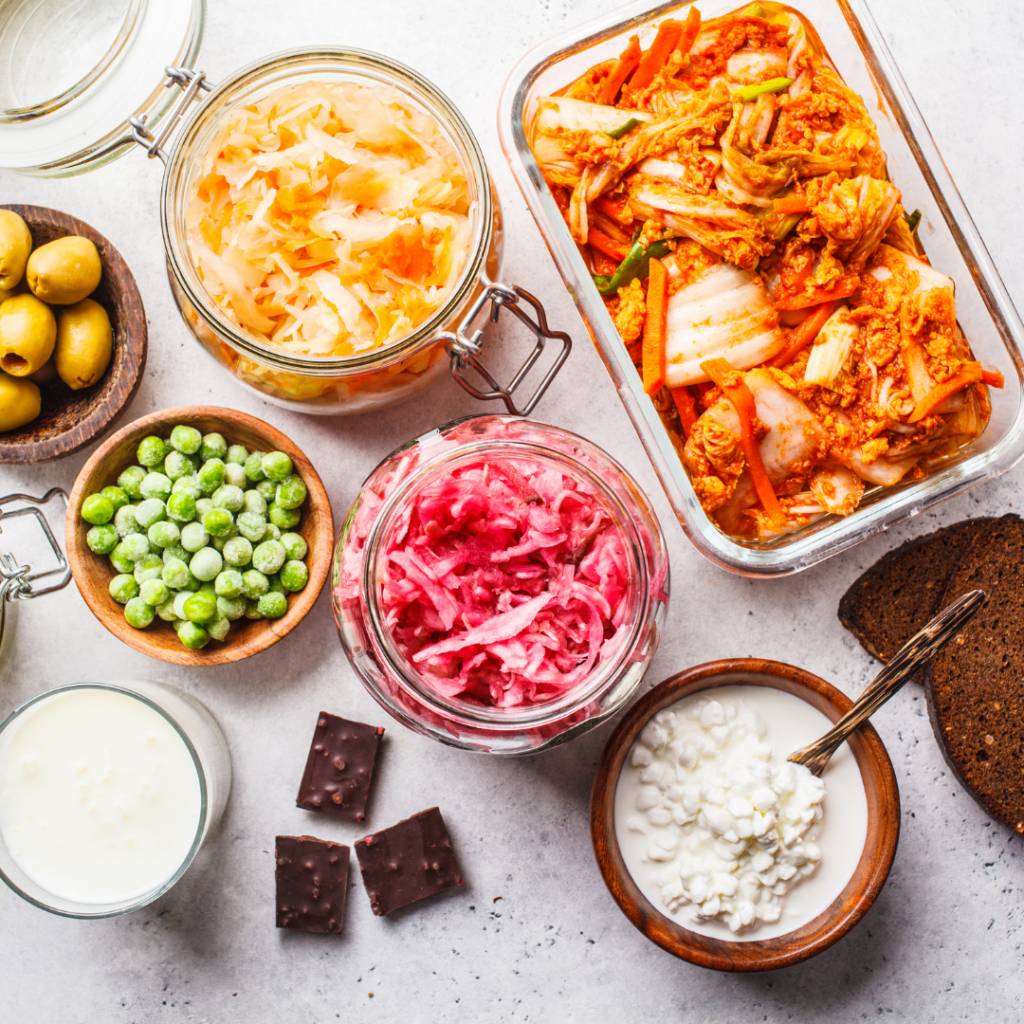
At the same time, there are some important things to consider before introducing fermented foods to your baby – let’s take a closer look at which ones are safe.
What are fermented foods?
Fermented foods are foods that have been transformed by microorganisms, like bacteria or yeast, that break down sugars and starches in the food over time (1). This process changes the flavor, texture, and nutritional profile of the food, and historically it’s also been used as a way to preserve food and extend its shelf life (1).
What fermented foods can I give my baby?
The list of fermented food products that exist in the world is extremely vast. The wide variety comes from a diverse range of traditional foods found all around the world, cultural preferences, different geographical areas where they are produced, and the staple products and/or by-products used for fermentation, including African countries with longstanding fermentation traditions.
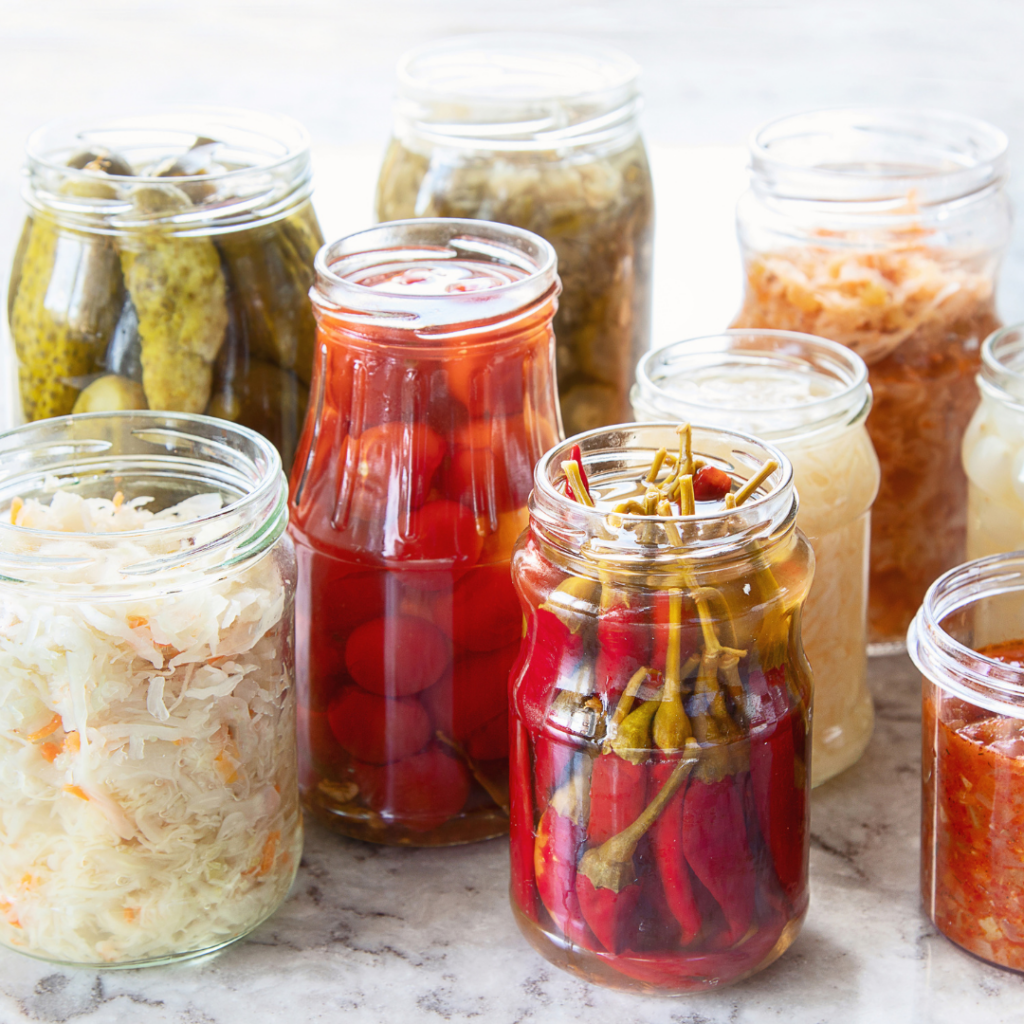
Since there is so much diversity when it comes to fermented foods, it can be challenging to know which ones are safe for babies to consume. The following list highlights popular fermented foods that can be safely introduced to babies around 6 months of age.
Remember that some fermented foods contain allergens (including wheat, dairy, and soy), so they should be introduced cautiously and one at a time, according to the proper introduction protocol, a point that also comes up in infant feeding discussions because safety and food preparation matter when babies start solids.
Note: Always choose pasteurized fermented products to minimize the risk of foodborne illness.
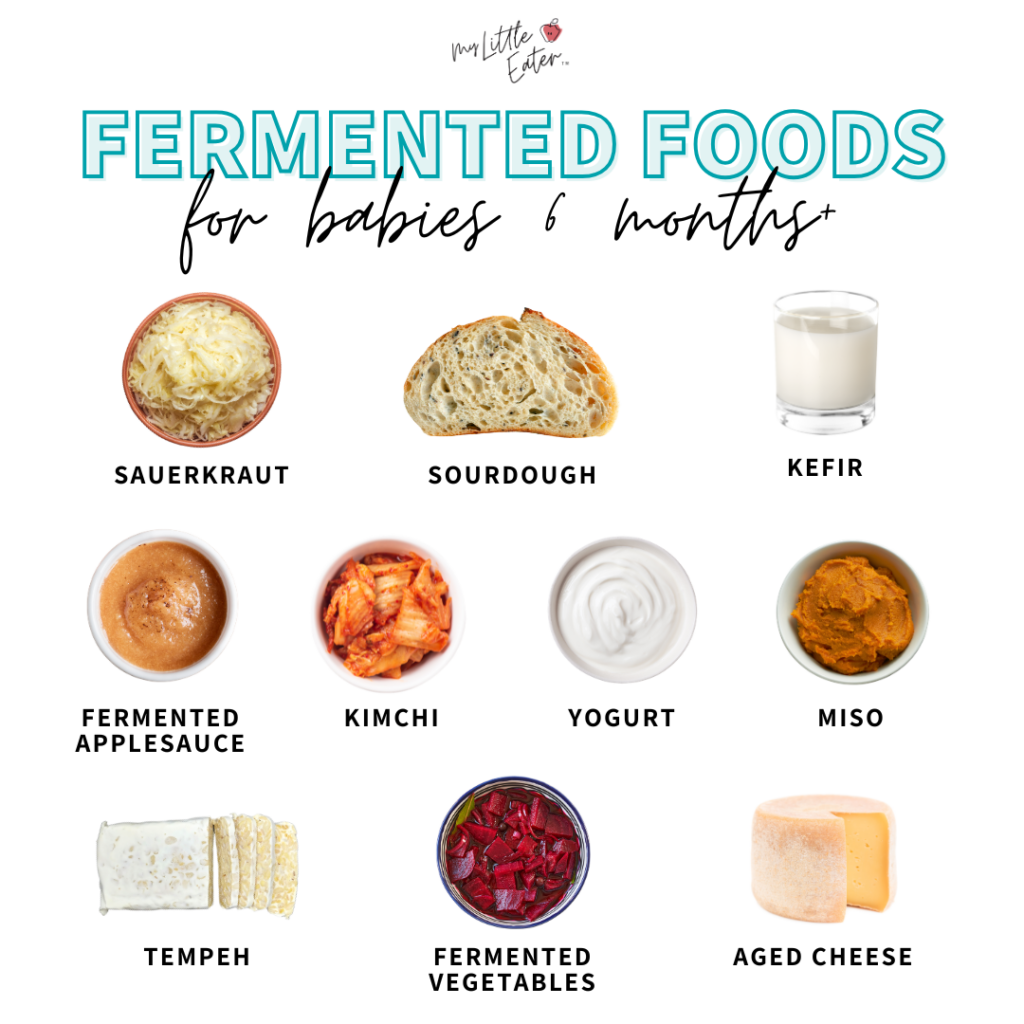
1. Sauerkraut
Sauerkraut is a fermented food made from thinly shredded cabbage, or fermented cabbage. It’s packed with flavor, making it a great food to introduce to your baby to help expand their palate. It’s also a source of nutrients like fiber, vitamin K, and probiotics (2,3).
Sauerkraut is high in sodium, so we recommend rinsing it under cold water before serving it to babies under 12 months of age to reduce the sodium content. Overall, the benefits of introducing a small amount of sauerkraut to your baby outweigh the amount of sodium it contains, especially if you rinse it first.
How to serve:
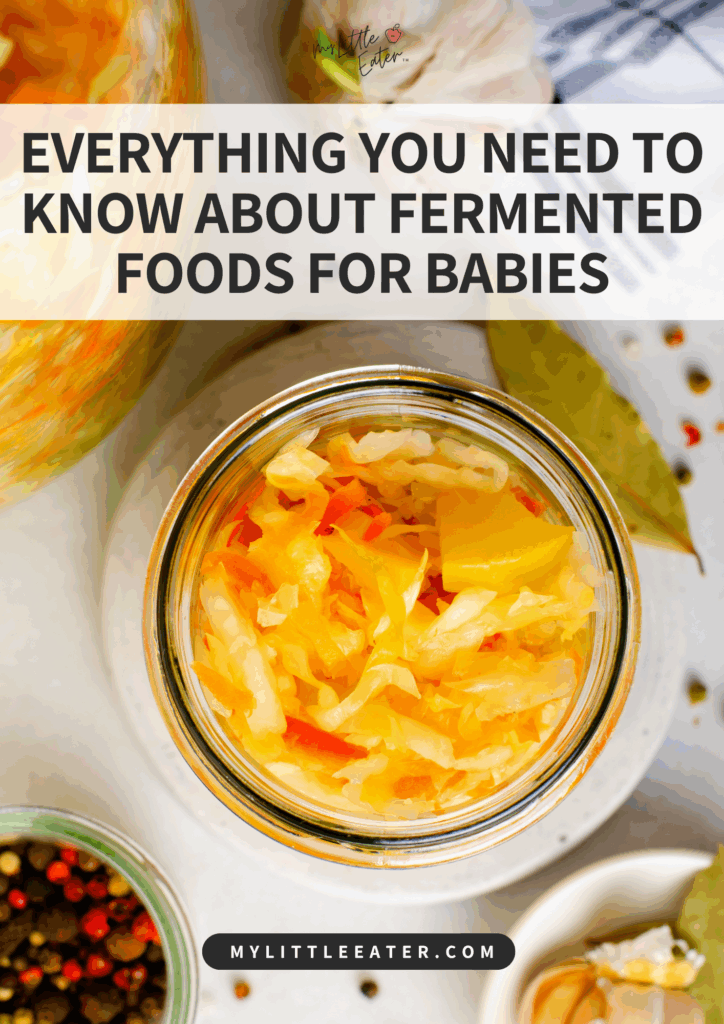
Blend sauerkraut with a bit of water, breastmilk, or formula until you have a thin, smooth purée that runs easily off of a spoon when tilted, then serve to your baby on a preloaded spoon.
Mix shredded sauerkraut into a binding purée like mashed potato or hummus (aim for a 1:1 ratio) and serve on a preloaded spoon, or let your baby dig in with their hands! If the strands are very long, finely chop them to about ½ an inch so they’re easier for your baby to manage.
Serve shredded sauerkraut on a preloaded spoon, or if your baby has their pincer grasp, dump a small pile on their tray and let them pick it up themselves!
2. Fermented applesauce
Fermented applesauce is mild, sweet, and tangy! It’s made by fermenting apples with beneficial bacteria, which means it offers probiotics to support your baby’s gut health.
Be sure to choose applesauce that is unsweetened for your baby, as added sugars should be avoided until age 2.
How to serve:
Thick fermented applesauce that holds its shape on a spoon falls into the category of a phase 1 purée – serve as is on a preloaded spoon, or let your baby dig in with their hands!
3. Sourdough bread
*Top allergen
True sourdough bread relies on a wild ferment of yeast and bacteria that ferment the dough over a long period of time. The fermentation process makes the bread easier to digest, may also improve protein digestibility, and can help with nutrient absorption (4).
Another bonus is that sourdough typically lacks all of the added sweeteners and preservatives that other breads can have, so it’s a great option for babies starting at 6 months!
Even though making your own has become extremely popular in recent years, it’s ok if you don’t want to! Store-bought sourdough is great to offer your baby as well.
How to serve:
Lightly toast your sourdough until slightly crispy on the outside, then remove the crust and cut into wide finger shapes for your baby to grab using their palmar grasp — add a spread like mashed avocado, nut/seed butter, or hummus to keep it moist and boost nutrition!
If your baby has their pincer grasp, dice the lightly toasted sourdough into bite-sized pieces and add a spread for extra nutrition and moisture.
4. Kefir
*Top allergen
Kefir is a fermented milk drink that is packed with probiotics. Kefir made with live probiotic bacteria can offer a much more diverse range of microbes than many probiotic supplements. It comes in both dairy and dairy-free versions (dairy-free being made from plant-based milks, like coconut kefir, which is suitable for babies from 6 months+). It has a tart taste and a thin consistency, making it great for adding to smoothies and other recipes in place of milk or buttermilk.
When introducing kefir, choose full-fat (or whole milk), pasteurized, plain, unsweetened versions, and look for options in the refrigerated section rather than shelf-stable ones on store shelves, since those may not offer the same health benefits if the cultures are no longer live. Avoid those with added sugar or artificial flavorings.
Keep in mind that dairy-free kefir has less fat than regular kefir because it uses plant-based milk instead of full-fat cow’s milk. However, it still offers beneficial nutrients and probiotics if your baby has an allergy or sensitivity and can’t consume regular kefir!
It’s safe for babies under 1 year of age (but over 6 months of age) to have small amounts of kefir (and any other milk) in recipes. Before your baby turns 1 year old, you’ll want to avoid offering kefir and any milk other than breast milk or formula as a beverage. This includes any animal milk (like goat’s or cow’s milk) and any plant-based milk like almond, oat, soy, etc.
How to serve:
For babies under 12 months, use kefir as an ingredient in recipes like smoothies, oatmeal, or pancake batter rather than as a standalone drink.
Once your baby turns 1, kefir can be offered on its own in an open cup or straw cup!
5. Yogurt
*Top allergen
Yogurt is a fermented dairy product that’s rich in protein, calcium, vitamin D, and beneficial bacteria (5). When introducing yogurt to babies, choose full-fat, plain, unsweetened varieties with live probiotic bacteria and labels that say live active cultures; cultured yogurt may include beneficial strains such as lactobacillus casei, and if you make it at home, you can use a starter culture.
Plain yogurt can be served on its own or used as a binding puree to make foods with more challenging textures (like rice or quinoa) easier for babies to eat.
How to serve:
Thin, unstrained yogurt that runs easily off of a spoon falls into the category of a phase 0 purée — serve as is on a preloaded spoon, or let your baby dig in with their hands!
Thick, strained yogurt like Greek yogurt that holds its shape on a spoon falls into the category of a phase 1 purée — serve as is on a preloaded spoon, or let your baby dig in with their hands!
6. Kimchi
Kimchi is a traditional Korean fermented vegetable dish. It is often made from napa cabbage, radishes, and a mix of various spices. It’s packed with beneficial bacteria (probiotics) and has a spicy, tangy flavor (6).
However, some kimchi can be quite spicy for babies, so it’s best to serve it in a milder version without chili peppers or other hot spices. Start with a small portion and chop it finely to ensure it’s safe for your baby.
7. Miso
*Top allergen
Miso is a fermented paste made from soybeans, salt, and fungus, and it is often used in Japanese cuisine as a base for soups and sauces.
While miso is rich in probiotics and essential minerals, it can also be high in sodium (7). Choose low-sodium miso and offer it in small amounts, mixing it into foods like soups, stews, or purées.
8. Tempeh
*Top allergen
Tempeh is made from fermented soybeans and has a firm, cake-like texture. Tempeh is a great protein-rich, fiber-filled food that offers lots of omega-3 fatty acids and B-vitamins (8).
For babies, cook tempeh to soften the texture, then cut it into age-appropriate sizes.
Read more for all the details on how to cut and serve tempeh safely for baby.
9. Fermented vegetables
Fermented vegetables can include a wide range of foods, from cucumbers and cabbage to carrots, sweet potatoes, and beets, but unlike products packed in a vinegar brine, these vegetables are fermented with the help of naturally occurring bacteria, which break down their sugars and create beneficial probiotics (9).
Vegetables preserved with vinegar brine are pickled, not truly fermented.
When introducing fermented vegetables to babies, it’s important to ensure that the vegetables are soft and pass the squish test. Sweet potatoes, carrots, and beets are excellent choices for babies that offer beneficial vitamins and minerals and help support digestion and immune health.
Just be mindful of the salt content in store-bought varieties and rinse well before serving them to your baby!
10. Aged cheese
*Top allergen
Some cheeses undergo fermentation, which can be beneficial for gut health, especially when they are aged and contain live cultures (10).
Mild cheeses like cheddar, gouda, parmesan, or Swiss are suitable for babies in small amounts from 6 months and up. Cheese offers an excellent source of protein, calcium, and healthy fats for your baby (10).
Read more for all the details on the best cheese for baby and how to serve it safely.
Did you know?
Some lactose-intolerant individuals can consume fermented dairy products, in particular ripened cheeses such as Cheddar. The reason for this is that during fermentation and cheese ripening, the bacteria break down the lactose (11). This significantly reduces the level of lactose in fermented cheese, often making it tolerable to those with lactose intolerance (11)!
How do I introduce fermented foods to my baby for the first time?
Ready to add fermented foods to your baby’s diet? Here’s exactly how to get started!
Wait until your baby shows all developmental signs of readiness for solids (usually around 6 months).
Start with milder options like full-fat plain yogurt or sourdough toast. You can dip a spoon into the fermented food of choice and let your baby have a tiny taste, mix a small amount into familiar foods, or serve them as finger foods for baby to hold with their palmar grasp.
Start SLOW with very small amounts (1-2 teaspoons), so your baby’s system has time to adjust, especially since starting too fast can lead to tummy troubles while you monitor tolerance. If you give too much, too fast, your little one could end up with some digestive discomfort and symptoms, including gas, bloating, and/or diarrhea.
If the fermented food contains a top allergen, introduce it separately following the allergen introduction protocol found here.
Rinse high-sodium fermented foods like sauerkraut before serving.
Watch for any digestive changes in the first 24-48 hours. Some gassiness is normal as gut bacteria adjust.
After a few small introductions, you can then go ahead and offer fermented foods as you would other foods. Follow the instructions below for how to serve all fermented foods safely.
My Little Eater
Recommendation
Recommendation
Fermented foods should be served in moderation. A good guideline is to offer them 2–3 times per week, adjusting based on your baby’s tolerance and digestive comfort.
Are there fermented foods that should be avoided or limited?
Fermented foods can be made with all sorts of ingredients, as mentioned above, some of which are not recommended for babies in their first year of life. Here is a breakdown of which fermented foods we recommend limiting and avoiding.
Ferments with excessive salt and/or sugar
Store-bought fermented foods can be high in sodium. While sodium is a required nutrient for your baby’s normal development, you want to avoid offering it in excessive amounts.
But, if small amounts of fermented foods are being offered – like 1 tablespoon of sauerkraut brine or a bit of melted cheese in an omelet – the health benefits and flavor exposure of including them is worth the little bit of extra salt. You can also choose low-sodium versions of fermented foods and/or rinse them before serving to reduce salt content.
fyi
fyi
Rinsing fermented foods may reduce the probiotic content, but the fermented food being offered is still a good source of beneficial bacteria, even when rinsed (12).
The same goes for fermented foods with added sugar. Choose unsweetened versions with no added sugar if and when you can. As with sodium, the benefits of offering these sweet foods can outweigh the little bit of extra sugar when they’re served in moderation.

Ferments that contain alcohol
Some fermented beverages, like kombucha and water kefir, can contain small amounts of alcohol as a natural byproduct of the fermentation process. The amount of alcohol found in these beverages depends on various factors like fermentation time, yeast strain, and sugar content (13).
Even though these beverages may only contain trace amounts of alcohol, the safest option is to avoid serving them to your baby or toddler.
Honey ferments
Any food that has undergone fermentation with honey should be avoided entirely. Babies should not be fed honey before 12 months due to risk of botulism.

Honey fermentation is a process that involves using honey as the primary fermenting agent, typically in combination with other ingredients. The fermentation process occurs when microorganisms (like yeast or beneficial bacteria) break down sugars in the honey, producing different flavors, textures, and beneficial compounds (14).
Honey itself is a naturally antimicrobial substance, which makes it unique for fermentation, but it still provides an environment that can allow fermentation to occur when combined with the right conditions (14).
Honey carries a high risk of a very dangerous illness – botulism – for children younger than one year of age (14).
Infant botulism can cause serious health issues, which is why it’s recommended to avoid all types of honey entirely for the first 12 months of life. This includes pasteurized, unpasteurized, and cooked/processed honey, as any of these versions can still contain the bacteria Clostridium botulinum that can cause infant botulism (14).
After your child’s first birthday, the risk of developing infant botulism is low because they have developed natural defenses against it. These include good bacteria in their intestines to protect against C. botulinum and prevent it from growing and releasing toxins (14).
Why are fermented foods good for babies?
Due to the functional microorganisms (aka healthy bacteria) found in fermented foods, they provide a variety of health-promoting benefits that support your baby’s growth and development (15)!

In general, fermented foods are high in antioxidants, prebiotics, probiotics, and beneficial bacteria, and fermented foods helps support digestion and immunity through these compounds (1). They also offer other beneficial qualities beyond probiotics, including changes in taste, texture, and nutritional value. They can also help balance hormones, strengthen the immune and digestive systems, and help manage chronic inflammation (1).
Let’s take a closer look at all of the details!
Benefit #1: Immune support & gut health
Our gut houses trillions of microbes, including bacteria, that play a key role in regulating immune function (16). In fact, 80% of the immune system is housed in the gut, so the probiotics found in fermented foods are essential for immune health (16).
Foods like yogurt, kefir, kimchi, and sauerkraut are probiotic-rich foods that can provide a more diverse range of microbes to support a balanced gut microbiome (16). This balance is crucial for strong immune responses and the body’s ability to fend off infections (16).
Probiotics in fermented foods also help fortify the intestinal barrier, preventing harmful pathogens from entering the bloodstream (17). Furthermore, some research suggests that fermented foods may stimulate the production of immunoglobulins (antibodies) that help identify and neutralize harmful invaders (18).
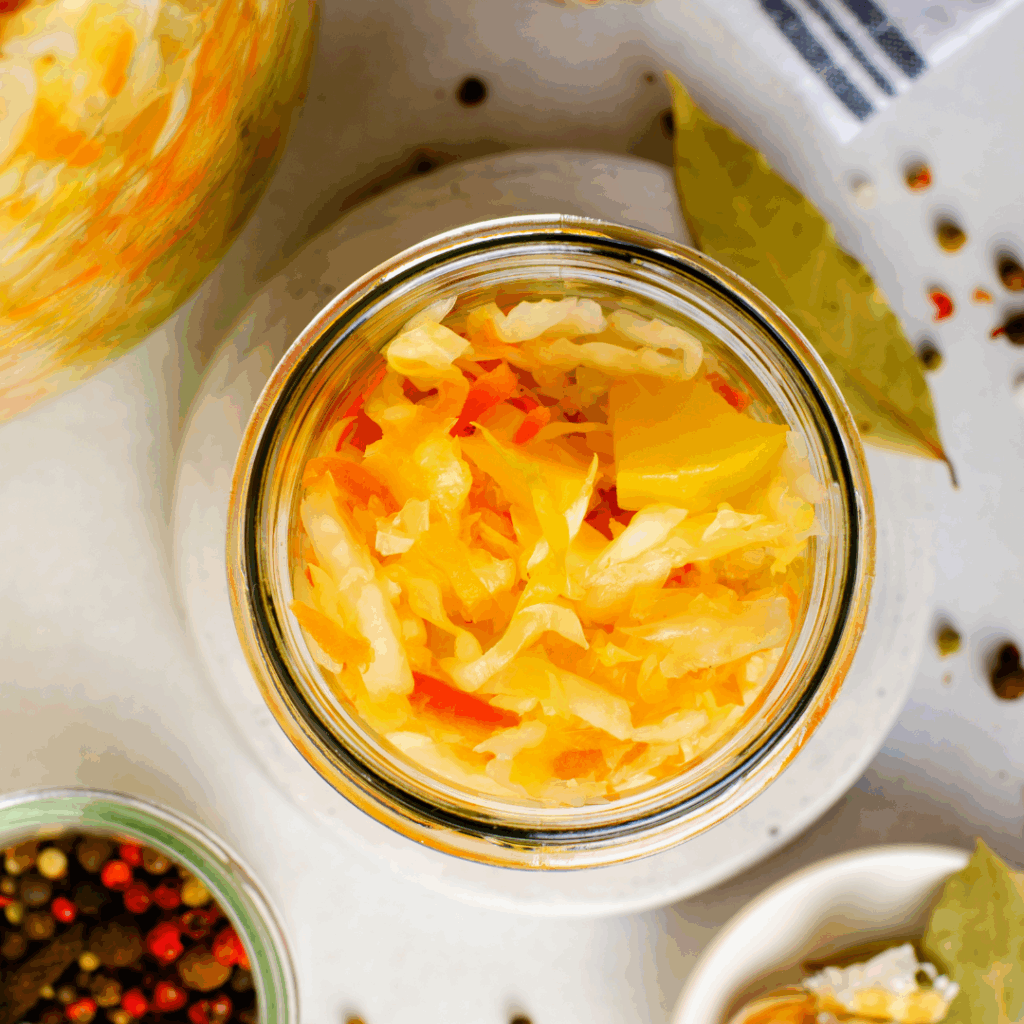
Therefore, based on the latest research, regularly consuming fermented foods can have long-lasting positive effects on immune function, making them a valuable addition to a baby’s diet for overall health!
Note: Some fermented foods, such as pickles, are processed after fermentation, which kills the beneficial microorganisms (19), and shelf-stable products may not contain live cultures. Since live bacteria are responsible for many of the health benefits, foods that no longer contain live microbes do not provide the same probiotic benefits (19). To ensure live microorganisms survive, fermented foods should not be heated above body temperature.
Benefit #2: Exposure to new flavors
Exposure to a wide variety of foods, flavors, textures, and colors early on in your little one’s feeding journey can influence their food preferences (20, 21). Introducing sour flavors early on can reduce your baby’s desire for sweetened foods and broaden acceptance of new foods.
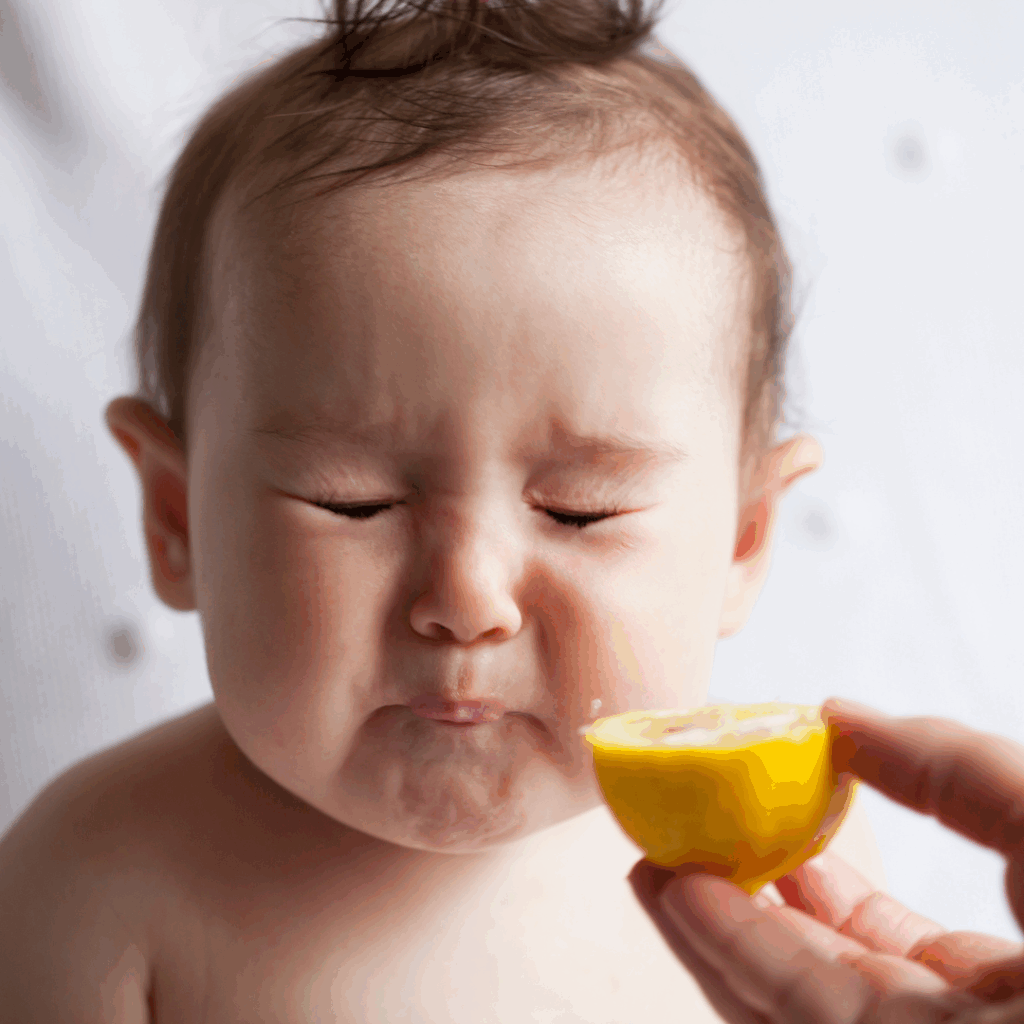
In other words, early and consistent exposures can help your baby get used to these foods and eventually, maybe even grow to enjoy them (22)!
Sour is an important flavour that is less emphasized in western cultures, and fermented foods are a wonderful way to introduce sour flavors to babies (1).
Benefit #3: Balancing blood sugar
Fermented foods as part of a balanced diet may also be a helpful strategy for improving insulin sensitivity and regulating blood sugar levels (23).
The probiotics and beneficial bacteria in these foods support gut health, reduce inflammation, and may enhance the body’s ability to process glucose (sugar) effectively. However, more research is needed to fully understand the long-term effects and the most effective types of fermented foods for blood sugar regulation (23).
Due to their known health benefits, researchers have recently proposed that fermented foods be included as part of dietary guidelines (24).
Risks of offering fermented foods to your baby
While commercially produced fermented foods are generally safe for your baby, there are some potential risks and side effects to keep in mind before you start offering them.
Bloating & gas
Fermented foods may cause temporary bloating or gas in some children, especially when introduced suddenly. Their digestive system might need time to adjust to the new bacteria, and you don’t want to cause your baby discomfort from excessive gas.
When you do introduce fermented foods to your baby, start with small amounts and gradually increase serving sizes as your little one adapts. Keep offering fermented foods regularly to your baby in quantities that your baby can tolerate without discomfort.

Although too much too quickly may result in some symptoms, the beneficial bacteria in fermented foods can also help prevent constipation and promote healthy bowel movements, too.
Aka – fermented foods can help your baby poop! Keeping them in your baby’s diet can have beneficial digestive effects once they’re used to them and can easily tolerate them.
Possible contamination
If fermented foods are not prepared or stored with proper sanitation, they can become contaminated with harmful bacteria or mold, leading to foodborne illness. Adults might be able to fight off these germs without much trouble, but babies’ immune systems are still developing, which makes them more vulnerable to infections.
If you’re making homemade ferments like sauerkraut, yogurt, or kefir for your baby, be sure to follow proper hygiene and food safety guidelines and store them in clean, airtight containers. Homemade ferments also require careful food-safety guidance, since babies are more vulnerable than adults.
We don’t suggest buying fermented foods from unregulated sources (like farmers’ markets), as there is no way of knowing if the foods were prepared with proper food safety guidelines. Instead, choose fermented foods that are commercially produced, as they’re required to follow strict regulations to ensure safety for consumers.
Interaction with medications
Probiotics in fermented foods may interact with certain medications, particularly antibiotics or immune-suppressing drugs, and could either reduce or enhance the effects of these medications (25).
If your child is on any type of medication, it’s always best to consult a healthcare provider before adding fermented foods to their diet.
On the other hand, there is a benefit to offering fermented foods after finishing a round of antibiotics as a way to replenish the good bacteria in the gut that may have been killed off during a course of antibiotics.
In fact, fermented foods can help restore gut health more effectively than taking a probiotic supplement (1).
FAQS
Can I give my baby probiotic supplements instead of fermented foods?
You can, but we’d always recommend food first when possible! Fermented foods offer probiotics alongside other important nutrients like fiber, protein, calcium, healthy fats, and vitamins that a supplement can’t replicate. That said, if your baby has specific dietary restrictions or digestive concerns, a probiotic supplement might be recommended by your healthcare provider.
Do fermented foods cause gas in babies?
They can, especially when you introduce them too quickly or offer too much at once! This is why we always recommend starting slow – just a small taste to begin, and gradually increasing from there.
Can fermented foods help with constipation in babies?
They may! The probiotics in fermented foods help support a balanced gut microbiome, which plays a role in healthy digestion and bowel regularity. If your baby is struggling with ongoing constipation, it’s always worth checking in with your healthcare provider.
Is kombucha safe for babies?
No, we recommend avoiding kombucha for babies and toddlers. Kombucha naturally contains small amounts of alcohol as a byproduct of the fermentation process. The exact amount varies depending on fermentation time, but offering children alcohol at any level is unsafe.
Do I need to introduce fermented foods one at a time like allergens?
Technically, no. However, some fermented foods contain top allergens – like kefir and yogurt (dairy), sourdough (wheat), miso and tempeh (soy), and aged cheese (dairy). For those, you’ll want to follow the standard allergen introduction protocol and introduce them separately. Fermented foods that don’t contain allergens -like sauerkraut, fermented applesauce, or kimchi – can be introduced more freely alongside other foods.
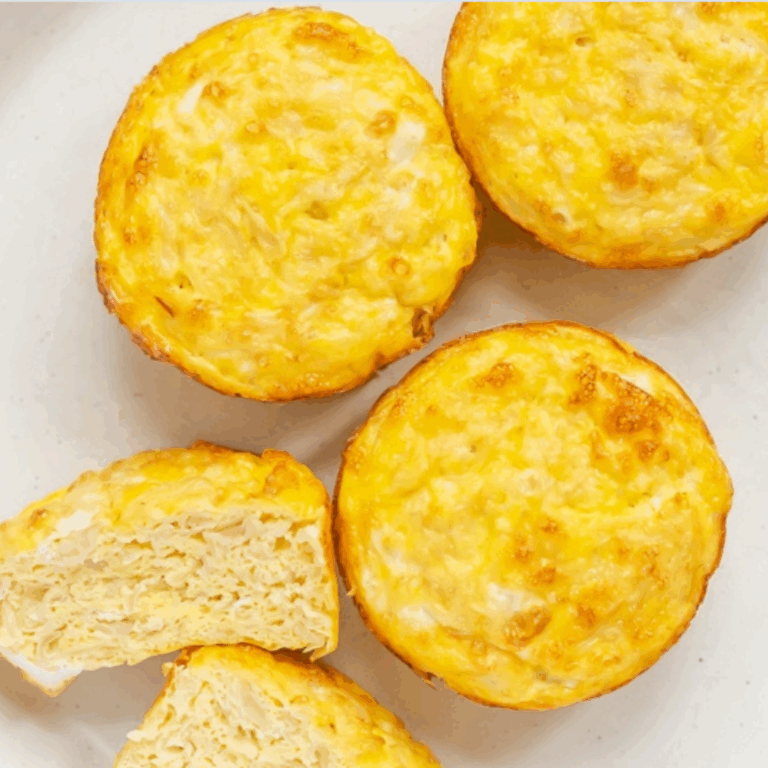
Sauerkraut Egg Cups for Baby Led Weaning
Equipment
- 1 muffin pan
- Parchment muffin liners
Ingredients
- 1 ½ tsp Extra virgin olive oil
- 5 Eggs (whisked)
- 1 cup Sauerkraut (rinsed and drained)
- 2 tbsp Milk
Instructions
- Preheat the oven to 375ºF (190ºC). Grease a muffin pan with the olive oil or use parchment muffin liners.
- In a bowl, whisk together the eggs, sauerkraut, and milk. Pour the mixture into the muffin pan, almost to the top of each compartment.
- Bake in the oven for 20 to 25 minutes or until the egg cups are golden brown and cooked through. Enjoy!
Video
Notes
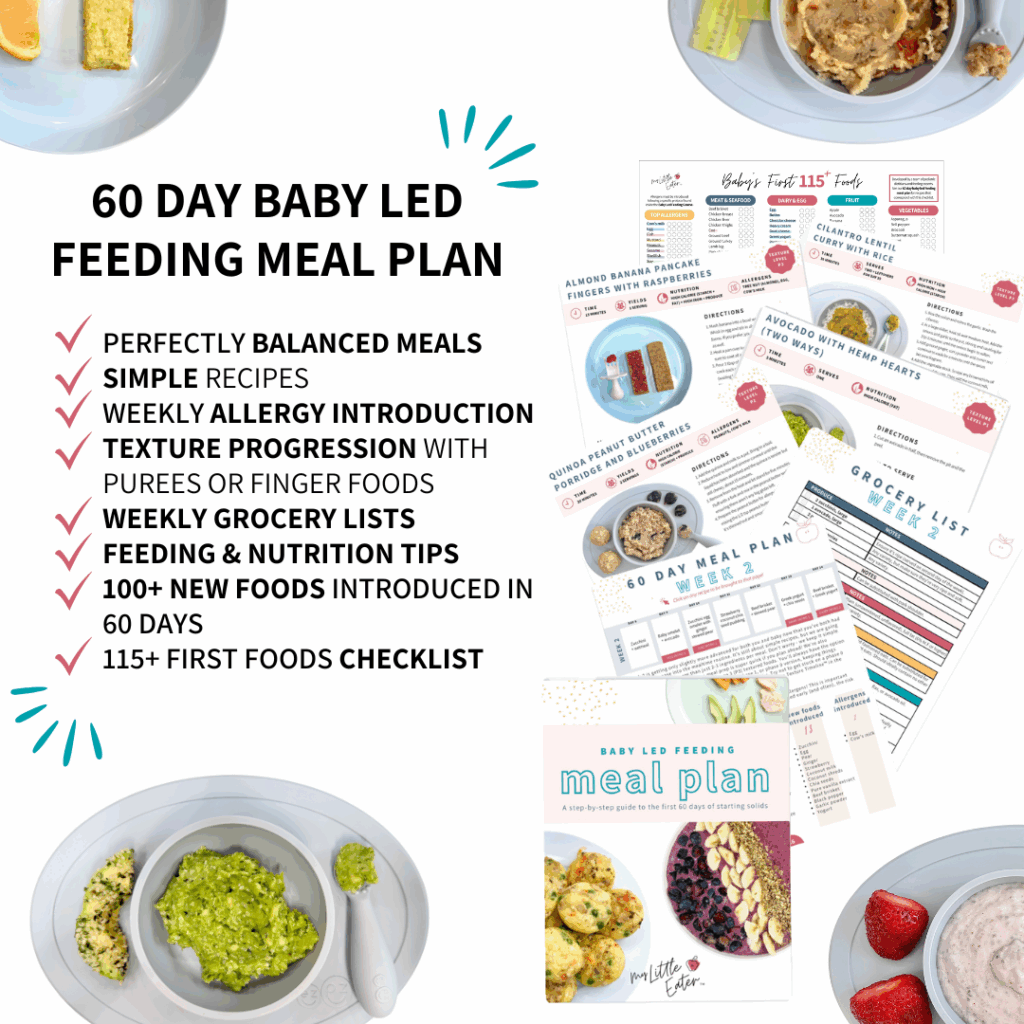
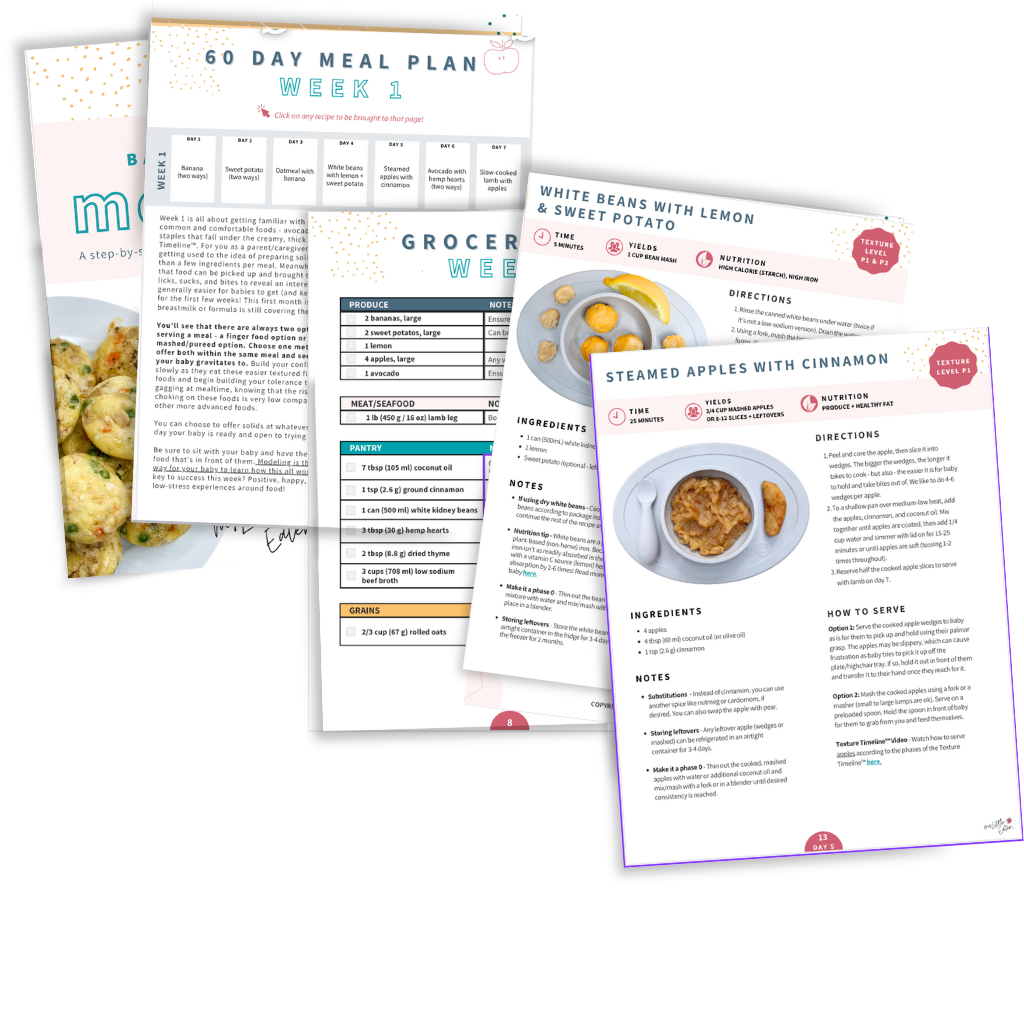
Want more recipes to help expose your baby to lots of textures and flavors? Check out our 60 Day Baby Led Feeding Meal Plan – you’ll get access to recipes, grocery lists, expert tips for starting solids, and more!
This isn’t just a regular meal plan with a list of recipes, you’ll actually be able to follow along with the plan to strategically introduce allergens, advance your baby in textures, and ensure all nutrient needs are being met.
Pin this for later!
References
Bell, V., Ferrão, J., & Fernandes, T. (2018). Fermented food guidelines for children. Journal of Pediatrics and Pediatric Medicine, 2(1).
U.S. Department of Agriculture. (2019). Sauerkraut, canned, solids and liquids. https://fdc.nal.usda.gov/food-details/169279/nutrients
Marco, M. L., Heeney, D., Binda, S., Cifelli, C. J., Cotter, P. D., Foligné, B., Gänzle, M., Kort, R., Pasin, G., Pihlanto, A., Smid, E. J., & Hutkins, R. (2017). Health benefits of fermented foods: microbiota and beyond. Current opinion in biotechnology, 44, 94–102. https://doi.org/10.1016/j.copbio.2016.11.010
Rizzello, C. G., Coda, R., & Gobbetti, M. (2017). Use of sourdough fermentation and nonwheat flours for enhancing nutritional and healthy properties of wheat-based foods. In Fermented foods in health and disease prevention (pp. 433-452). Academic Press.
Savaiano, D. A., & Hutkins, R. W. (2021). Yogurt, cultured fermented milk, and health: a systematic review. Nutrition reviews, 79(5), 599–614. https://doi.org/10.1093/nutrit/nuaa013
Park, K. Y., Jeong, J. K., Lee, Y. E., & Daily III, J. W. (2014). Health benefits of kimchi (Korean fermented vegetables) as a probiotic food. Journal of medicinal food, 17(1), 6-20.
Saeed, F., Afzaal, M., Shah, Y. A., Khan, M. H., Hussain, M., Ikram, A., … & Khashroum, A. O. (2022). Miso: a traditional nutritious & health‐endorsing fermented product. Food science & nutrition, 10(12), 4103-4111.
Rizzo, G. (2024). Soy-based tempeh as a functional food: Evidence for human health and future perspective. Frontiers in Bioscience-Elite, 16(1), 3.
Szutowska, J. (2020). Functional properties of lactic acid bacteria in fermented fruit and vegetable juices: A systematic literature review. European Food Research and Technology, 246(3), 357-372.
McCarthy, A. L., O’Connor, T. P., & O’Brien, N. M. Cheese in the context of diet and nutrition. In Handbook of cheese in health: Production, nutrition and medical sciences (pp. 5-8). Wageningen Academic Publishers (2013).
Leeuwendaal, N. K., Stanton, C., O’toole, P. W., & Beresford, T. P. (2022). Fermented foods, health and the gut microbiome. Nutrients, 14(7), 1527.
Khan Chand, S. K., & Asfaq, D. S. (2016). Fermented foods and their health benefits. European Journal of Biotechnology and Bioscience. Volume 4; Issue 9, 27-28.
Marsh, A. J., O’Sullivan, O., Hill, C., Ross, R. P., & Cotter, P. D. (2014). Sequence-based analysis of the bacterial and fungal compositions of multiple kombucha (tea fungus) samples. Food microbiology, 38, 171-178.
Government of Canada. Infant botulism. Retrieved from: https://www.canada.ca/en/health-canada/services/food-safety-vulnerable-populations/infant-botulism.html
Skowron, K., Budzyńska, A., Grudlewska-Buda, K., Wiktorczyk-Kapischke, N., Andrzejewska, M., Wałecka-Zacharska, E., & Gospodarek-Komkowska, E. (2022). Two faces of fermented foods—the benefits and threats of its consumption. Frontiers in Microbiology, 13, 845166.
Round, J. L., & Mazmanian, S. K. (2009). The gut microbiota shapes intestinal immune responses during health and disease. Nature reviews immunology, 9(5), 313-323.
Yoo, J. Y., Groer, M., Dutra, S. V. O., Sarkar, A., & McSkimming, D. I. (2020). Gut microbiota and immune system interactions. Microorganisms, 8(10), 1587.
Ansari, F., Neshat, M., Pourjafar, H., Jafari, S. M., Samakkhah, S. A., & Mirzakhani, E. (2023). The role of probiotics and prebiotics in modulating of the gut-brain axis. Frontiers in nutrition, 10, 1173660.
National Institutes of Health. Probiotics Fact Sheet for Consumers. Retrieved from: https://ods.od.nih.gov/pdf/factsheets/Probiotics-Consumer.pdf
Mennella J. A. (2014). Ontogeny of taste preferences: basic biology and implications for health. The American journal of clinical nutrition, 99(3), 704S–11S.https://doi.org/10.3945/ajcn.113.067694
Trabulsi, J. C., & Mennella, J. A. (2012). Diet, sensitive periods in flavour learning, and growth. International review of psychiatry (Abingdon, England), 24(3), 219–230.https://doi.org/10.3109/09540261.2012.675573
Spill, M. K., Johns, K., Callahan, E. H., Shapiro, M. J., Wong, Y. P., Benjamin-Neelon, S. E., Birch, L., Black, M. M., Cook, J. T., Faith, M. S., Mennella, J. A., & Casavale, K. O. (2019). Repeated exposure to food and food acceptability in infants and toddlers: a systematic review. The American journal of clinical nutrition, 109(Suppl_7), 978S–989S. https://doi.org/10.1093/ajcn/nqy308
Viguiliouk, E., Khan, T. A., & Nettleton, J. E. (2009). Probiotics and blood glucose control: A review. Diabetes Care, 32(12), 2280-2289. https://doi.org/10.2337/dc09-1485
Leeuwendaal, N. K., Stanton, C., O’toole, P. W., & Beresford, T. P. (2022). Fermented foods, health and the gut microbiome. Nutrients, 14(7), 1527.
Mazziotta, C., Tognon, M., Martini, F., Torreggiani, E., & Rotondo, J. C. (2023). Probiotics mechanism of action on immune cells and beneficial effects on human health. Cells, 12(1), 184.

ABOUT THE AUTHOR
Edwena Kennedy, RD, BSc. Neuroscience
Founder & Lead Pediatric Registered Dietitian at My Little Eater
Edwena is a Registered Dietitian with over 15 years of experience in pediatric nutrition, two post-secondary degrees (Neuroscience and Applied Human Nutrition), and a mama of two boys. She's the creator of the Texture Timeline™ and is backed by a team of pediatric dietitians and a speech-language pathologist. Meet the full team here.
ABOUT THE AUTHOR
Edwena Kennedy, RD, BSc. Neuroscience
Founder & Lead Pediatric Registered Dietitian at My Little Eater
Edwena is a Registered Dietitian with over 15 years of experience in pediatric nutrition, two post-secondary degrees (Neuroscience and Applied Human Nutrition), and a mama of two boys. She's the creator of the Texture Timeline™ and is backed by a team of pediatric dietitians and a speech-language pathologist. Meet the full team here.
More blogs like this...





5 Comments
Thank you for sharing this guide! We should start giving our children healthy food as early as possible so they will develop a love for and choose foods that are good for their health, rather than unhealthy ones.
We’re so glad to hear you found this blog helpful!
Do you have recipes to make your own fermented foods for baby?
Hi Kel! Unfortunately, we don’t at this time, but this is a great idea that we will look into!
This is so helpful! I was worried about giving my baby fermented foods, but now I feel better knowing it’s safe from 6 months. The tips on which ones to start with are great. Thanks for the clear advice!